Most people believe the value of their home is constantly rising. However, there is no guarantee that an asset's value will increase over time. For example, gold in 2022 stands at approximately the same price as in 2011. It means even gold has seen no appreciation in more than a decade. Everything revolves around supply and demand, and the housing market is no exception. Thus thinking that your house will automatically appreciate might surprise you down the road.
You can save yourself from this surprise if you actively understand the value of a home and how it may increase or decrease. The value of an asset can drop for many reasons. For example, a house mainly has three parts—building, Appliances, and Land. Therefore, we need to understand the appreciation and depreciation specific to each element. In this guide, we will discuss home evaluation in detail. We will see what home appreciation is, how to calculate it, and the steps you can take to increase the value of your home.
What Is Real Estate Appreciation?
If the value of an asset decreases with time, it is called asset depreciation. On the other hand, if the value of an asset increases over time, it is called asset appreciation. Thus, real estate appreciation means an increase in the value of a property over time. The home appreciation definition is similar and applies to homes.
Property appreciation mainly depends on supply and demand. The more buyers, the higher the price, and vice versa. It can be a local phenomenon, or it can be a country-wide trend. It, in turn, depends on factors like the interest rate and overall market conditions.
Real estate appreciation can have many benefits for the property owner. For example, they can profit by selling the property at a higher price. Similarly, they can have higher monthly rental income. Also, if the house is on a mortgage, the dollar value of owner equity will increase. An owner can use this home value increase via equity loans, refinance, etc. They can use this cash or invest it further.
What Is The Average Home Appreciation Rate?
The average home appreciation rate guides us about the overall market direction. However, it is not sufficient to guess the price of a specific home. The local average price in that area and many other factors are more important.
According to Statista, in 2022 Q2, the national average rate of home appreciation in the U.S. stood at 17.67%. However, this value is highly dependent on location. For example, in the District of Columbia, it stands at 5.23%, while in Florida, it stands at 29.77%. This difference is much higher if we go down to the state, county, and area levels.
We have seen higher appreciation rates in the past, but that trend is slowing down. For example, a recent report by the U.S. census bureau shows that the sale of new houses in October 2022 was 5.8% lower than the previous year. Higher interest rates and home prices might be the reasons for this cooldown.
How To Calculate Appreciation On A Home?
The way to calculate real estate appreciation is simple. First, calculate the price difference between the current and original purchase prices. Now divide the difference by the original purchase price. It will be your home appreciation value. It might be a positive or negative number. If you don't know the original purchase price, search it online or use the nationwide average price instead. To make things clear, let us see an example.
Suppose you purchased your home in December 2017 at $287,000. Now we need to know the current fair market value of that home. You can again use the nationwide median sale price or ask some local realtor for better estimation. According to Redfin, the 2022 median sale price stands at $397,549. The price difference is $110,549 (397,549 - 287,000). If we divide this result by the original value, we get 0.3852 (110,549 / 287,000). Multiplying it by 100, we get 38.51%. Thus this house appreciated 38.51% in the last five years.
If this math is challenging, you can use many online calculators to make things easy. For example, you can use the Federal Housing And Finance Agency House Price Calculator. It is easy to use, and can also plot an interesting graph.
Why And How To Add Value To A Home?
A national positive home appreciation rate is a good thing. However, it has two problems. First, you have no control over it. Second, it is not valid for every home. Without proper care, a house might depreciate over time. Like other things, the value of many parts decreases due to wear and tear. Thus you need to do something to add value to your home. Here are vital methods to increase the value of a home.
Increase Square Footage
The value of a home depends upon square footage or liveable space. You can increase this space in most cases. For example, you can add a deck, add more rooms, and convert the attic or store to a living area.
Reduce Energy Bills
You can invest in increasing the energy efficiency of your home. All projects, from solar power to making your home more heat proof, will reduce energy bills. Similarly, Upgrading Appliances to energy star compliant will not only increase the overall modernization of the house but will also save on energy bills.
Modernize Your Home
You can convert your home into a smart home by installing some automation tools. Projects like smart lights, intelligent air conditioning, security systems, and adding devices controlled by smartphones will modernize it. These updates will add to your comfort and increase its resale value.
Add More Beauty & Luxury
Feelings of beauty and luxury can significantly increase home appreciation. You can take on many projects to enhance these feelings in your home. Projects like decluttering, improving curb appeal, kitchen renovation, updated lights, and deep cleaning are helpful.
The Bottom Line: What Is Home Appreciation
- In this article, we answered the question, "what is real estate appreciation?". We saw that how much a home can appreciate depends on many things, but housing market trends and interest rates are the most critical factors. Home appreciation is crucial to investors and homeowners alike. It is vital for investors because they need to know the future value of an asset to invest wisely. Similarly, homeowners can enjoy the benefit of home appreciation in terms of more rental income, sale proceeds, and equity building.
- However, the moves of investors have a more significant impact on the housing market for several reasons. First, they invest large sums of money and hold many properties at once. Second, they react quickly to market movements. Thus if the housing market appreciation slows down or turns negative, the investors will be the first to leave the market. It, in turn, will speed up the market drop.
- It has been a booming seller's market for the past several years. But unfortunately, this trend is slowing down, and we may see lower or negative appreciation in the future. Fortunately, you have control over many elements of home appreciation. We discussed what steps you could take to help your home appreciate faster. For example, you can increase the worth of your home by adding space, functionality, beauty, etc. If you need any help in this regard, feel free to contact us.
FAQs About Home Appreciation
Home appreciation is an exciting yet less famous topic. Thus it is natural to have many questions in this regard. Therefore, let us review some frequently asked questions about home appreciation.
]]>
House prices have soared in the US, so it makes sense to renovate your residence for a better living experience. In addition, renovations will increase your home’s value if you want to sell your home.
- How to Reduce Home Renovation Costs in 2023?
- Average Cost to Renovate a House
- How Much Does It Cost to Completely Renovate a House?
- How to Estimate Home Renovation Costs?
- Renovation Cost By Type of House
- Average Cost to Renovate a House by Location
- Bottom Line: How Much Does It Cost to Renovate a House?
- Home Renovation Cost: FAQs
How to Reduce Home Renovation Costs in 2023?
Renovations sound good until you ask, “how much does it cost to renovate a house in 2023?”.
- What if I want to completely renovate my house?
- What is the average cost to renovate a house?
- How can I increase my home value?
The home renovation cost will vary by the type of house. You need to focus on value-increasing projects if you want to sell your home. Here in this article, we will give you a well-rounded estimate so you can plan your renovation project without surprising fees. We will talk about potential savings and risks. Let’s move forward.
Average Cost to Renovate a House
As per a Houzz survey, the average home renovation cost is $47,000. Because of Covid-19, families are spending less on such projects, and the cost of materials and labor has increased. If you’re renovating to sell your home, you need to spend wisely. Statistics suggest that simple projects such as changing the doors, landscaping, and painting provide an ROI close to 100%. A beautiful kitchen is always desired, yet it is the most expensive section to renovate.
So, the average home renovation costs vary from location to location and project to project. You can do a minor home renovation for $15k or spend up to $200k for a high-end renovation.
With a budget of $15k, you can get fresh paint, landscaping, new floors, and countertops. For $15,000-$45,000, you can get everything in $15k plus a full-scale kitchen/bath remodel and marble/hardwood flooring. A budget of $71k-$200k allows you to design a new layout and remodel the kitchen, bath, and floors. Plus, you can get high-end appliances, cabinets, and foundation changes.
What is the Average Cost to Completely Renovate a House?
What is the average cost to completely renovate a house? According to one estimate, a home renovation costs $15 to $60 per square foot. That’s a vast range and won’t reflect the price tag of your project.
Renovation and remodeling have a difference. Renovation means you’re doing a cosmetic makeover. Remodeling means creating a new room or changing the layout. On average, gut renovations cost $60 to $150 per hour in labor service. A complete remodeling will include plumbing, a new roof, appliances, structural improvements, and HVAC.
Most people want a modern layout with an open floor plan. You can achieve that by removing interior walls, which can get expensive if the wall is load-bearing.
Average Cost to Renovate a Bathroom
The average price in most parts of the US will be $20k to $38k, and you can expect an ROI of 60%.
Average Cost to Renovate Kitchen
Adding a kitchen island or pantry are inexpensive projects and yield the highest ROI. The average cost to renovate a kitchen is $23,000 to $135,000. Overall, you can expect to recoup 72% of your investment when you sell your home.
Garage Remodeling Project:
It’s a home renovation project that pays well if you plan to sell the house. The average project cost is around $7k-$15k, with an ROI of 95%. For example, the average price of replacing a garage door is $3,907.
How Much Does It Cost to Completely Renovate a House?
What do you want to change? Repainting the property can change the appeal. Changing lights, furniture, and windows can bring a new feel. Getting an estimate for painting projects is easy. First, determine the amount of paint, brand, and labor cost. The same goes for other renovation projects. Before you can calculate the cost of a home renovation, you need to know the price of:
- Construction material
- Labor
- Your time
- Building permits
- Local code violations
- Contractor’s warranty
- Impact on home insurance
How to Plan for Your Home Renovation Project?
What is the current market value of your property? For example, let’s say the value of your home is $300,000. So, the renovation cost of a single room shouldn’t exceed $30,000 except for the kitchen and bath. When planning a budget, consider:
- Needs Vs. Wants
- How will you pay for the renovation?
- Get 3-estimates from local contractors
- Your home insurance needs
- Do you need to relocate temporarily?
- Post-renovation costs such as cleaning
- Potential increase in your property’s value
- Estimate 10% for unexpected expenses and delays
How to Estimate Home Renovation Costs?
When creating a budget, categorize projects according to their functionality and ROI. That’ll help you ensure you don’t go over your budget. Here are some tips to help you estimate your renovation costs.
Hire a Reliable Contractor
Fixing sub-standard work of a contractor can increase both time and money. Instead, choose contractors with excellent BBB ratings, local portfolios, and customer reviews.
Understand it can take longer than planned
It’s common for home renovation projects to exceed the desired timeline. That creates frustration if you haven’t planned for it. The most common cost would be the price of your temporary residence if you had to relocate for the project.
Save on Labor Costs
Labor costs are 15% to 30% of the total project. DIY projects will reduce your labor cost and expenses. However, the cost will go up if you’re not an expert. Durable work tends to save money in the long run.
Save on Material Costs
On average, the material price will be 10% of the project price. You can compare different options to choose one that fits your budget. For example, tile will cost more than wood flooring.
Financing Your Renovation Project
Do you expect to pay all cash? Or will you need a loan to remodel your property? How will you pay back the amount?
According to a 2019 American housing survey, 76% of people pay for home renovation with all cash. That’s a great option if you have some savings. The biggest drawback is that you have to wait longer to renovate your home. However, you won’t have to worry about credit scores or high-interest rates.
You can also take an unsecured loan to renovate your home. These loans have a higher interest rate, late payment penalty, and application fees. However, you are primarily relying on your credit score for approval. And there is no risk of foreclosure if you fail to make a payment.
That being said, think twice about the affordability of a home renovation loan. Borrowing $25,000 for the next five years will add a significant amount to your monthly bill. Another option is a government loan that lets you borrow up to $25,000 for necessary home renovations. You can’t finance a luxury project using a government loan. The benefit is that you can secure a loan with a minimum interest rate and flexible terms.
A credit card is another financing option but with the highest interest rate.
Choosing an affordable financing strategy doesn’t seem like the most obvious step. However, it will help you avoid trouble in the future.
Your Home Insurance Needs
You will need a different insurance plan, especially if you make structural changes to the property. Ensure that your contractors carry the proper insurance plan while working on your property. You might need liability insurance and a temporary insurance plan for the renovation work. Your insurance cost might decrease if your home becomes more secure after the remodeling.
Building Permits and Approvals
You’ll need a building permit if you’re:
- Removing walls
- Making changes to basement/attic
- Renewing electrical fixtures
- Changing plumbing features
- Installing a new HVAC system
- Or doing anything that requires approval from local management
The cost of acquiring building permits will be $400 to $1800. You might also need to hire a structural engineer, which can cost you $300 to $700 per hour. Home remodeling designers will cost up to 10% of the total project price, with architects charging around $100 to $250 per hour.
Cost of Time
One last thing you need to know is the cost of your time. A complete renovation can take several months. Even minor renovations will cause a disruption to your personal life. So how will you handle your work and personal life?
In some cases, you might need to leave the property premises. For example, if you suspect the release of hazardous airborne particles during work—it will be best to live somewhere else for a while, but that will add to your bill.
Renovation Cost By Type of House
Condo
What is the average cost of a home renovation for condos? Compared to a single-family home, renovating a condo is easy as you don’t have to worry about the lot space and roof. The average cost of remodeling a new condo is $30k-$40k, whereas, for a resale condo, you can expect to pay $60k-$72k.
Because of recent events, the price of raw construction materials has gone up. The imported material is available in limited stock. The surge in demand is also increasing the price tag. So renovating a condo will be expensive if you plan to use imported materials or furniture items.
Renovating a condo has become challenging because of newly imposed restrictions in various areas. For example, some managements won’t allow more than 5 contractors inside, and working hours can be limited. As a result, you need to estimate different time slots for tasks like electrical wiring and plumbing installation. You also need to be flexible with the choice of material, as the pre-selected material may become out of stock at the remodeling time.
Apartment
The average cost of a home renovation for an apartment is $25 to $60 per square foot.
Mobile Home
Renovating a mobile home is different, and it has its pros and cons. The average home renovation cost for a mobile home is around $4,000, but it can go up.
Redesigning your mobile home means getting a new roof, windows, kitchen, bath, and living area. You might want to open up the space. The question is, how are you going to renovate the area? Do you buy pre-made units from the factory and have them installed in your house? Do you allow contractors in your home? Do you have to disconnect utilities while the work is being done? Do you have to move for a while? And do you need a renovation permit from your landlord?
The answers to these questions will determine your cost and timeline.
Townhouse
Renovating a townhouse is similar to renovating a single-family home. A townhouse's average home renovation cost is $25 to $150 per square foot.
Row House
The average cost of a home renovation for row houses is $25-$75 per square foot.
Average Cost to Renovate a House by Location
The average cost to renovate a house is different for every location. For example, you can expect to pay $20 to $100 per square foot in Atlanta. However, in expensive cities like New York, and San Francisco, the average home renovation cost per square foot will be $25 to $150.
Bottom Line: How Much Does It Cost to Renovate a House?
- So what’s the average cost to renovate a house in 2023? According to one estimate, the average price is $47,000, but if you want a range, it will be $30,000 to $120,000. Home renovation costs in 2023 have gone up compared to the previous years. That is because of high labor costs, shortage of materials, and restrictions on the number of people/working hours.
- If you want to see an increase in home value, go for the renovations. Exterior renovations provide the best ROI, while any renovation project that increases space is considered valuable. Prospective clients are always searching for a better curb appeal, stylish kitchen, lots of storage space, and functional appliances/systems. When on a tight budget, choose projects with the highest ROI and use the above tips to save money on your remodeling project.
Home Renovation Cost: FAQs
]]>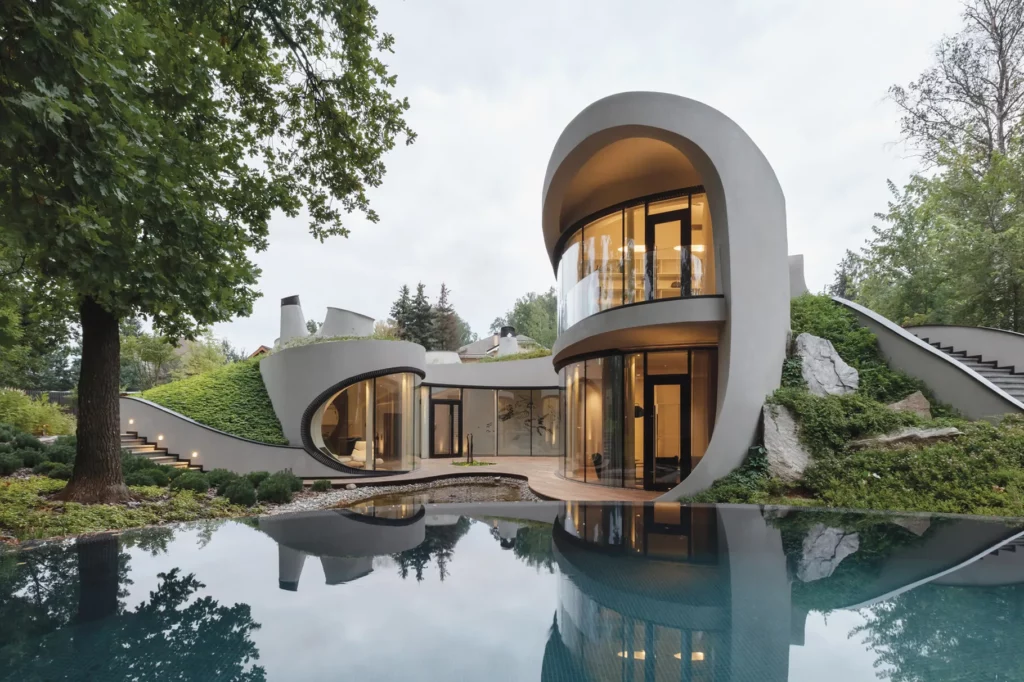
Modern homes appeal to almost everyone. Minimalist style, lots of natural light, and different architectural styles contribute to the look of modern homes. It’s hard to set a specific standard for modern homes as this home type can combine more than one style. You can modernize your home by opening up the space and adding new functionalities, thus increasing the value of your home. For example, creating a home office gives a modern touch. We can update our homes in various ways. (Some of you might enjoy a vintage look, but that doesn’t mean the house can’t be modern. Modern homes go side by side with the vintage/traditional/European look. More on that in a bit).
Modernizing your home doesn’t require an extensive remodeling project. Instead, we start with a vision, take strategic steps and create a budget to update our homes. In these upcoming paragraphs, we’ll cover the details (and exciting renovation projects).
How to Update Your Home on a Budget?
Small-scale home improvements can update your home and also increase its value. Renovation projects don’t have to cost $70k. You can begin with a small budget and make gradual changes to your home. The goal is to create a better living space within a specific budget. Let’s see how we can get this done.
Update the Walls
Removing a wall or two can open up the space in your home. Our home is a structure surrounded by walls and a roof. Changing up these sections not only modernizes but also improves the lifestyle quality inside your home. Repairing drywall can be a DIY task, but you can hire a general contractor. The next job is to paint the property. It can cost you $1,500-$3,000. Painting freshens the look of any house, as you have unlimited color choices. Exterior painting is a bit more expensive as you must choose weather-resistant color material.
The only downside to this project is the wrong color choice. It’s best to go with neutral shades if you want to sell your home. Maybe talk to a local realtor or property designer to see what’s trending in the area. However, choose neutral shades of white to stay on the safe side. Another point is not to ignore the preparation work if you’re painting yourself. Professional painters will prepare the surface (fill cracks, holes, seams, and imperfections) and then move toward the painting job. Preparation helps you create lasting results.
Create Open Space In Your Home
There are several ways to modernize your home. First, just close your eyes and imagine for a while. What do you see in a modern house?
- Lots of natural light
- A harmonious color scheme
- Open space
- Easy navigation
- Peace
- Modern infrastructure (Tiles, cabinets, facilities, efficient temperature control)
Now it’s possible to include all these features in your home. Here are some tips:
Bring Large Mirrors
Mirrors reflect and create more light in the house, especially if two mirrors are parallel. The reflection will open up the space, giving the illusion of more space even in a constricted apartment. Plus, mirror decorations create a royal effect. It feels like you’re living in a grand place.
Bring Large Furniture Items
Investing in heavy furniture items seems counterproductive if you live in a small space. It seems logical to buy several small units instead of one signature item. However, doing so blocks the white space in your home. Instead of having five individual sofa chairs, invest in one bulky item and leave the rest empty. The same thing applies to decorations. Avoid tiny ornaments as they tend to distract vision and create a sense of a cluttered area. Instead, choose one signature-decor item.
A modern home is not one bombarded with technology. Instead the term modern home aligns well with “green living.” It’s a house that handles energy consumption well and doesn’t produce noise or other environmental disturbances. Modern living allows you to live better with a flow.
Add New Lights to Your Home
Lights play a crucial role to modernize your home. Use simple lighting fixtures—warm and relaxing glow that spreads through every corner. First, you need to take care of a few steps:
- We need evenly spread light in the house. Bright and dim corners don’t leave a good impression.
- Use soft light that is easy on the eyes and lets you explore the home easily.
Update the Windows
Update your home windows. Invest in triple-pane windows for better energy conservation. You can also replace window frames for a modern appearance. You have four choices i.e., wood, clad, aluminum, and vinyl. Wooden frames look beautiful but require frequent maintenance—painting and termite spray. Vinyl doesn’t require maintenance. Architects prefer aluminum because of its lightweight structure and durability.
Replacing windows isn’t necessarily budget-friendly, especially if you want to adjust the view. Choose to repaint only if budget is an issue. (It will also freshen up the appearance).
Hint: Go with large ceiling-to-floor windows if you want to open up space and are changing windows. This will introduce more light and air in your home, but it also depends on the outside view.
Spruce-Up Your Bathroom
Outdated bathrooms and kitchens don’t look modern. In small homes, every section of the property tends to be useful for residents. However, bathrooms and kitchens are crucial in any residence. So let’s first talk about the bath. What can we do about this section to modernize your home? A few things maybe:
Renovation vs. Remodeling: Bathroom remodeling is a large-scale project like adding/refinishing/replacing tubs or relocating/reinstalling new plumbing fixtures. You don’t have to go after a $30k remodeling project. We can use small projects to create a dramatic look. Here are a few things we can do:
- Painting
- Replacing fixtures & hardware
- Shower curtains
Paint the bathroom: Moisture and water issues can damage the paint and overall appearance. Fix the leaks and then paint the bath nude or contrast with the home paint color. Both options will look good as long as it’s not overdone.
Replacing Plumbing Fixtures: Outdated fixtures (taps & faucets) give the impression of an aged property. Change lights, paint, and these fixtures, and you’ll have a bathroom with a brand-new appearance. Brass is expensive, but it adds a luxurious touch to your bath. For bathroom design, you need rust-proof and elegant material. You might already have good equipment in your bathroom, but we can consider new additions like:
Stainless Steel: Very affordable and versatile material. It’s a rust-resistant material and comes in various designs and functionalities. It’s also easy to clean the accessories. You will find most bath accessories made in stainless steel, and it’s possible to find affordable choices that match your budget.
Brass: Want beautiful finishings? Brass is the most trusted bathroom fixture material. It’s slightly more expensive than stainless steel but still affordable and rust-resistant.
Aluminum: Look around, and you’ll probably find aluminum material in your bath or kitchen. Aluminum is also rust-resistant, but it corrodes quickly without proper maintenance.
Copper: Looking for a sumptuous brown shade? It’s a rust-resistant material but needs care.
Gold: Want to add something expensive to the bath? Gold is an excellent option that doesn’t rust and looks royal. Gold is mainly used to add finishing touches to faucets, bath accessories, holders, etc.
Upgrade Your Kitchen
Now we’re talking about the most crucial section of the house: The social media center of your residence. Here you will cook and talk about important matters. You can design your kitchen however you want. There are countless design options for every size & taste. However, functionality comes first. You should customize kitchen according to your preferences. How do you like to cook? Do you want to work in a specific order? Or are you a person who cooks five dishes at the same time? How do you like to store grocery items? What type of appliances do you want?
Kitchen renovation is a must to modernize your home. First, you’ll paint the kitchen and then replace the hardware. Your kitchen is made of essential components like countertops, cabinets, stove (cooking equipment), appliances, ventilation systems, lights, and plumbing fixtures. Next, you can repaint the cabinets and replace the hardware. A sleek modern hardware and a fresh coat of paint can transform the look. Brass handles might look good, and you can also remove cabinet handles for a smooth, modern look.
Stainless steel cabinets are durable if you are planning to renew the cabinets. In addition, the metal color and finishing is an excellent choice to modernize your kitchen.
A modern kitchen also has good ventilation and lighting. Think about using lights inside the cabinets for better visibility. For ventilation, you will need to work with an expert contractor and see what can be improved.
So we have talked about painting, lights, ventilation, cabinets…what else are we missing? Countertops? Outdated countertops can downplay the look and value of your kitchen. You can choose to replace or polish the current ones. Marble is a long-lasting construction material, but it’s expensive. However, concrete and granite countertops are good choices.
Update Floors
Update the flooring. That’s the answer if you ask how to modernize your home. You will usually find two options for flooring: contemporary and mid-century styles. Modern design is inspired by the 20th century, whereas contemporary design combines different types.
Modern flooring has a few unique features like earthy & soft color palettes. In addition, you will see the use of natural materials like wood & stone. Some designers also use synthetic material that mimics natural stone and wood. In a modern home, you’ll see the focus is more on functionality, simplicity, and streamlined design.
Invest in Curb Appeal
Curb appeal is an area where you can invest and recoup 100% of your investment. You can try indoor and outdoor plants: a budget-friendly way to modernize your home. Outdoor landscaping is a must-have for an attractive curb appeal. You don’t have to redo the entire curb appeal, but you can declutter, improve the landscaping, repaint the exterior, repaint the front door and mailbox, bring some colorful windows, and repair windows…and you should be good to go.
Add Finishing Touches to Modernize Your Home
How to modernize your home in a better way? You would have covered all significant sections after all this renovation work. What’s left to modernize your home?
Finishing touches! So far, we have focused on curb appeal, kitchen, and bath. Finishing touches can take the updates to the next level. For example, you can replace electrical switches and boards. You can polish/replace the decor items. For example, think about changing the shower curtain and painting the sofas.
The Bottom Line: How to Modernize Your Home?
Google is a quick way to learn how to modernize your house. You can find different ways to modernize your home: options for every budget and taste. Modernizing your home helps if you want to sell your house or just want to increase value.
Start with a plan for basic projects (like kitchen and bath updates). Decide how much you want to spend and which types of updates you need. You can get price estimates online or contact local contractors in your area. For finishing touches, you can contact an interior designer. Choose decor pieces that can complement your home’s design scheme. These small changes don’t cost thousands of dollars yet they can change the entire feel & appearance of your property.
]]>
Estimating the square footage of a home is the first step in selling, buying, renovating, upgrading, etc. To calculate the square footage of a perfect rectangle, multiply its width by its height. However, a typical house is far more complex than a rectangle. So in this guide, we’ll find how to calculate square footage of a home in an easy way.
- What Is The Square Footage?
- Why Is Square Footage Important?
- What Is Considered A Home's Square Footage?
- What Is Not Included In A Home's Square Footage?
- How To Calculate The Square Footage Of A Home?
- How To Calculate Square Footage Of Different Types Of Rooms?
- The Bottom Line: How To Calculate Square Footage
- FAQ on How To Calculate Square Footage
What Is The Square Footage?
We already know the concept of the length and width of an object. Square footage or area is one step ahead in that direction. It guides us on how much flat surface an area contains. For example, we calculate the area of a rectangular room by multiplying the length by the width. The resultant value is a measure of the size of that room.
Now, we can plan any action about that room with this measurement. For instance, suppose you want to buy a carpet for a room. First, you need to know how much surface is there that you need to carpet. For example, if the length and width of the room are 10 feet each, then you need to cover 10x10 = 100 square feet. By knowing the total area, you can decide the carpet size. Now, if you have a rug of 5 feet in width and 10 feet in length, its square footage will be 5x10=50. So you know that you need two such carpets to cover the whole room. Similarly, you can use this value to decide which bed or furniture size will suit a specific room.
Square footage helps compare apples to apples. It also helps to evaluate the livability and price of a property. For example, according to Statista, the average square feet of a house in the U.S. has decreased since 2017. Similarly, realtor.com says the median square foot price in the U.S. is $123, but it can vary between $24-$810. Thus this terminology and its related data allow us to discuss the housing industry technically.
Why Is Square Footage Important?
The square footage or covered area of a house is important for many reasons. For example:
- It will measure the actual value of that property. The more usable a home's space, the more valuable it should be. It can also be a measure of the lifestyle of a family.
- The usability of the property also determines its price. If you want to buy or sell a house, its price will depend upon its covered area. So if two nearby homes are similar in other aspects, the house with the more usable space should cost more. Similarly, the rent amount of a house also depends upon its size.
- You can evaluate your upgrading options with this value. For example, if you want to buy new furniture or a carpet, you need to know the required space. The cost of renovation depends upon the square footage value. Even painters price their paint jobs based on the walls' size.
- The square footage of a house also determines the cost of maintaining that area. Thus buying the cooling or heating system for a property depends upon its size. An ample space not only needs a more expensive air conditioning system, but it will also have higher utility bills.
- Finally, the square footage of a house changes all calculations for taxation and mortgage purposes. For example, tax collectors base tax assessments on a home's usable space. If you feel your tax is higher, you can build your case by measuring the exact size. Similarly, while applying for a mortgage, the lender will need the square footage of a property for its calculations.
What Is Considered A Home's Square Footage?
While calculating the square footage of a home, the realtors only consider the liveable areas. These are the areas that meet two conditions. Firstly, one can walk easily to these areas. Secondly, one can live in that area for all four seasons of the year. So, for example, a lawn, though liveable sometimes, is not liveable in the rainy season or hot summer. Similarly, we can not walk into a space with a shallow roof.
We can consider any space with ceiling, flooring, proper walls, and air conditioning as a liveable area. All other spaces do not count in calculating the total size of a house. Finished places like kitchens, bathrooms, dining rooms, living rooms, and bedrooms are common liveable area calculation ingredients.
The concept of liveable space provides an excellent opportunity for sellers as it can increase home value. In fact, buying a house, improving its usable space, and selling it for a margin is a profitable business for many real estate professionals. So, if you are selling your home, there might be some areas you can upgrade to make them liveable. Indeed, this upgrade will increase the list price of your home. Consult with your realtor for any upgrade opportunities in your home.
What Is Not Included In A Home's Square Footage?
Places like unfinished basements, unheated rooms, porches, and attics usually do not meet the conditions of walkable or liveable. Thus, realtors typically do not include these areas while calculating the square footage of a home. Similarly, they ignore a garage, dog house, storage room, guest house, and pool house. However, depending upon their liveability, a realtor may or may not count a finished basement space in area calculations.
How To Calculate The Square Footage Of A Home?
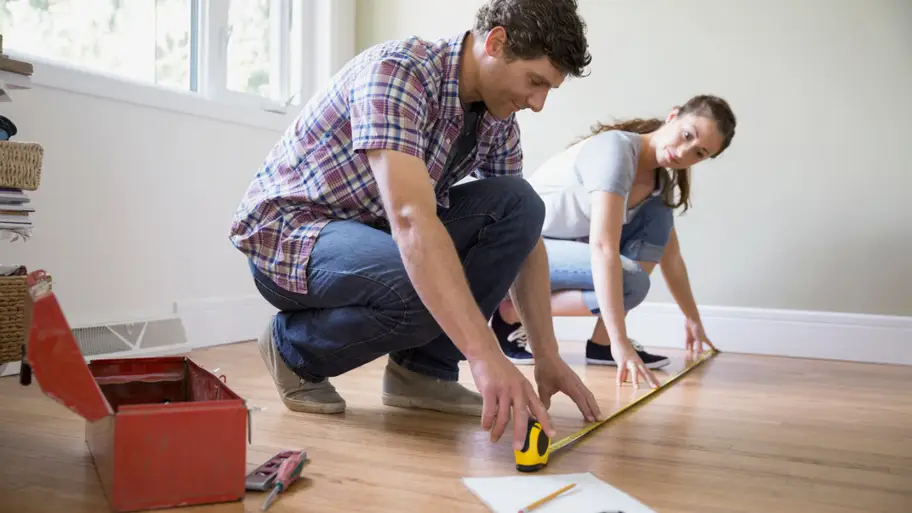
Before finding the square footage of a home, you need some essential tools like a notepad, pen, calculator, and measuring device. You may use a laser measuring tool, but the usual measuring tape will do the task.
Calculating the area of a perfect rectangle is easy; however, not all areas of a house are pure rectangles. Use these tips to measure the square footage of complex floor plans.
- Get the original floor plan of the house. It may differ from the current floor plan, but it can be a good starting point. If it is unavailable, draw or sketch a rough floor plan. There is no need for perfection because you will be doing the measurement by tape. This sketch is only a helpful guide for calculating the square footage.
- Measure the length and width of all includable areas. Now multiply these length and width measurements to get the square footage of that room.
- Do the above steps for all rooms. Sum up the results. This result will be the total square footage of the home.
Other Methods To Calculate Square Footage
At times you may need to calculate square footage in other units. For example, inches, yards, and meters are other popular units to measure surface area. The general step for finding the square footage in another unit is to measure the length and width of the room in that unit. Thus if both are in yards, multiplying them will result in square yards. The same is true for meters and inches.
Describing an area in inches is useful for small items. To convert a square inch, multiply the length and width by 12 (12 inches in one foot) and then multiply the length and the width. For example, if the length and width are 10 feet each, it will be 120 (10x12) inches. Final square footage in inches will be 120x120 = 14400.
If you have both sides in feet, then you can use these handy math operations to find the area in other units:
- For converting square feet to square inches, multiply the area by 144.
- Getting square yards from square feet is possible by dividing the area by 9.
- For converting square feet to square meters, divide the measurement by 10.764.
If you need to convert square footage into other units, you can use google or an online conversion calculator to do these calculations easily.
How To Calculate Square Footage Of Different Types Of Rooms?
There are many types and shapes of spaces/rooms in a house. Therefore, we need to use different formulas for different kinds of shapes. Let us explore this.
Room With Special Areas
Some rooms may have particular areas like closets. For calculating the square footage of a room with cabinets, you need to consider them as two rectangles. Then calculate the size of each rectangle and add them together.
Circular Rooms
Circular rooms are rare because constructing a perfect circle in a building is challenging and has limitations. Also, a circular design may change the shapes of the surrounding rooms, if any. However, when there is a circular room, you can use the formula (22/7) x r x r, Where r is the circle's radius.
Rooms With Other Odd Shapes
If the room has no easy shape, you can divide it into simpler shapes. For example, you can split a room into rectangles, triangles, circles, etc. Then calculate the area of that shape and add them all together to know the total covered area of the house.
The Bottom Line: How To Calculate Square Footage
- Some experts believe summer is the best time to sell a house, while others may disagree. However, getting your home ready for selling will allow you to capture any good opportunity as soon as it arrives. Calculating the square footage of a house is a critical step in this regard.
- If you wonder what is the square footage of my house, then keep some points in mind. First, it is subjective, as not everyone follows the ANSI standard. Yet, any misrepresentation might lead to suing for damages, so you should take care in measuring this. Also, keep in mind your state's guidelines for area calculation. For example, a state may require mentioning the area in the listings, while other states may not require that.
- When in doubt, ask for professional help to avoid confusion. Professional appraisal fee for a single-family home is $300-$400. Two appraisers may announce slightly different estimates, but their approach is scientific, and the margin of difference is negligible. Also, they know the state laws better, so their estimations will be more acceptable.
FAQ on How To Calculate Square Footage
Here are common FAQs our customers ask us regularly.
]]>
A home inspection is a documentation process for the current status of a home. A qualified home inspector will assess the house's condition, including the structure and essential systems. Home inspection reports are generally required when buying or selling a home in the US.
Both buyer and the seller want to finish a home inspection as soon as possible. The buyer’s bank won’t approve the loan application until everything is fine with the house. And sellers are waiting to close the deal asap. However, it takes time to inspect a home thoroughly. The process is time-consuming, and although many steps like report building are automated now, inspectors do it through the software on their mobile phones. We will discuss how much time is necessary and when it is too much for a home inspection.
- What Is A Home Inspection?
- Who Performs A Home Inspection?
- Why Do I Need A Home Inspection?
- How Long Does A Home Inspection Take?
- Factors That Influence The Duration Of Home Inspection
- So, What Happens After A Home Inspection Is Completed?
- How Long Does A Home Inspection Report Take?
- How Much Does Home Inspection Cost?
- Who Pays For Home Inspection?
- What Is The Impact Of Covid-19 On Home Inspections?
- The Bottom Line: How Long Does A Home Inspection Take
What Is A Home Inspection?
A home inspection is a thorough evaluation of the health and fitness of a property. It should not be confused with an appraisal, a measure of “home value” in a neighborhood—an inspection checks for the safety and livability of a property. The inspection includes inspecting the property's structure, systems, and fixtures. However, it does not contain minor cosmetic defects.
Home inspections are not obligatory in most cases. However, the buyer should go for it to protect their investment. If the buyer wants to apply for a mortgage, the lender might require a home inspection report.
Usually, a buyer selects a home inspector to do the job. So, in that case, a home inspection is done before the sale.
A home inspection can make or break a deal. Your report will mention issues with the property and the potential cost of repairs. For major repairs, the buyer can request repairs or a lower price. You’ll find an inspection contingency in standard real estate contracts. The inspection contingency allows the buyer to cancel the agreement if:
- There are repairs to be made
- They can’t reach an agreement with the seller
The inspection issues and bank approvals cause delays in most transactions. A small percentage of home sales are canceled because of inspection issues and timing.
Who Performs A Home Inspection?
Only a certified home inspector can perform a home inspection. There should be two qualities in a home inspector. First, they should be experienced professionals. Second, they should present the actual condition of the house in a well-organized report.
Some home inspectors work as a member of a team. So, first, they perform a general home inspection. Then, if they find any problem, they might ask you to hire a specific person for a specialized review. For example, a specialist can better guide you if there is some problem with the structure or soil.
As a buyer, you should choose a home inspector based on their background and professional conduct. You can see the online reviews of a home inspector. In addition, you may consult the American Society of Home Inspectors for skilled feedback. It would be best if you did not depend upon your real estate agent to recommend a home inspector. In rare cases, they might push a home inspector to close the deal quickly.
Why Do I Need A Home Inspection?
Sometimes a buyer may think they don't need a home inspection. There could be many reasons to avoid the examination. For example, the property might be so cheap. Or the buyer is in a hurry to close the deal. Or they might be sure that the property should not have any problem. However, skipping a home inspection is not an excellent idea. No professional real estate agents will talk against home inspections.
There are many reasons not to skip a home inspection. First, owning a house has some legal and environmental obligations. Therefore, a home with problems will have legal implications. The second reason is that buying a house requires thousands of dollars. Your mortgage lender won’t approve your loan application without a satisfactory inspection report. On average, homeowners spend around 8 years in their homes. That means you also want to think about a future sale. Your home is an investment, and you need to safeguard that investment against potential loss.
Your home inspection report will enlist the service life of appliances in your home. So your water heater might be good for another five years before it will need replacement. That’s some helpful information if you want to sell your home later.
How Long Does A Home Inspection Take?
How long a home inspection takes will depend upon several factors. For example, the total time depends upon the size of the house. Inspection time should be less than a separate house for smaller properties like condos. Similarly, the age of the house also counts. Most old houses will take longer to inspect. Time also depends upon the nature of the inspections involved. Finally, it depends upon the appliances and amenities. For example, a house with a pool will take more time.
According to some estimates, it takes 30 minutes to inspect an area of 500 square feet. Thus, the average time for home inspection might be 2-3 hours. An inspector's experience also plays a vital role in the time of the inspection. A less experienced person might take longer to inspect the property.
However, you need to consider two more components to calculate the total time. First, consider the time you spent finding the best home inspector. Secondly, there are many types of home inspections. Thus some enhanced checks will take more time. For example, an extended radon test might take up to 90 days. Finally, it would help if you considered the time it would take to get the final report. This total may be around a week or so in most cases.
Factors That Influence The Duration Of Home Inspection
Each home's design, age, area, inhabitants, and features are unique. Thus, many factors influence the duration of a home inspection. Let us examine some key elements determining how long the home inspection will take.
The Experience Of The Inspector
The more experienced an inspector is, the less time it will take to inspect the house. Therefore, when choosing a home inspector, go for a person with 100+ paid inspections. Or at least find someone with more than one year of experience in the field. A new inspector might seem cheaper, but if the work is unsatisfactory, this is not the money well saved.
The Location Of The Property
The location affects the inspection in many ways. For example, assessing a home in a hilly area is difficult. Similarly, regions affected by floods are challenging to inspect. The inspector must find whether walls and surfaces are wet due to storms or plumbing problems. In rainy areas, spotting structure defects in basement and crawl spaces is also challenging. On the other hand, inspecting a house in a dry environment can be easy and quick.
The Disaster Risks Of An Area
The environment of the property supports it or poses some risks. Therefore, the home inspector should check the property with its surroundings. For example, the inspector must check its foundation and any storm shelters for safety if the house is in an area with severe storms. Similarly, the foundation should withstand earthquakes if the site has a history of earthquakes. This type of information might also reveal insurance costs to reduce financial risks. This extra work will require more time from your inspector.
The Size Of The Property
How long a home inspection takes also depends upon the house size. The size of a property is a significant factor when calculating the duration of a home inspection. For example, a small house will take less time to examine than a large one. Similarly, a two-story house will need more inspection time.
The Age Of The Property
Almost all parts of a house are affected by its age. Not only might its structure be weak, but it might have many cracks and defects. In addition, old houses might need more things to review, as construction laws and building material usage have changed. In comparison, new home constructions comply with the law and require less maintenance. Therefore, you can expect to spend more time for a home inspection if the property under consideration is 20+ years old.
The Accessibility Of The Property
Your home inspector will need access to all areas of the house. It’s best to clean & de-clutter the home before you invite your inspector. You don’t want them to jump over boxes to access something. For example, areas like crawl spaces and attics are essential but difficult to reach and examine.
The Condition Of The Property
If the condition of a house is good, it will have fewer things to check and vice versa. For example, suppose there are damp patches on a wall. Now the inspector has to find the root cause of the problem and an estimated repair cost. To determine this, they need to check the plumbing, surrounding walls, floors, and roofs for possible leakage and water infiltration. These inspections and findings will take extra time to complete.
The Number And Types Of Appliances
Home inspectors are used to inspecting standard homes with usual appliances and fixtures. However, if a house has some ultra-modern or outdated equipment, it will take more time to examine. For example, a place with solar power or computerized security will need extra work to review.
So, What Happens After A Home Inspection Is Completed?
After a home inspector completes their job, you will get a detailed report about the house. The printed information will include all the essential facts and problems with the home or its appliances. What happens after a home inspection is different for buyers and sellers.
From a buyer's point of view, the report contains what is wrong with the property. The buyer should review the information with the realtor. For example, the buyer might want to cancel the deal if there are severe issues with the property. On the other hand, if the house needs some essential repairs, the buyer might request repairs or a discount from the seller.
From a seller's point of view, the home inspection report may declare a property ok or not. If the property is okay, the seller can stick with its list price or even expect more. However, the seller should proceed accordingly if the report enlists some problems and repairs. For example, they might go for repairs or review the listing price.
How Long Does A Home Inspection Report Take?
An inspector takes only 2-3 hours to visit the house. So you may wonder how long does a home inspection report take. The fact is the inspector might know the status of the house instantly after the visit. However, compiling a formal report needs extra work and time. The standard wait time for a home inspection report is 2-3 business days. However, the report will take longer if the inspection involves lab testing.
Today most inspectors use software or a mobile app to note the inspection and capture different facts. Then, for the final report, the inspector needs to compile the data, print the photos, add comments, repair estimates, etc. Your inspector will guide you about the expected time frame of the report. The home inspection report may be available in digital format earlier.
How Much Does Home Inspection Cost?
As homes vary in several aspects, the inspection costs also vary. The fee also depends upon the area and the inspections involved. The price range for a general home inspection is $200-$600. It will be lower for smaller houses and condos. It will be higher for big and old houses.
In summary, although many variables are involved, the home inspection cost should equal similar houses in that area. You may ask the neighbors for their expenses or check online reviews—request three estimates before finalizing the deal with a home inspector.
Who Pays For Home Inspection?
Who will pay for the home inspection depends upon who is asking for it. In most cases, the buyer pays the home inspection fees. After all, the examination can potentially save a lot of money or trouble down the road. Also, the buyer hires a home inspector they can trust. Similarly, the buyer will need this report to apply for a mortgage, and the lender might have included the home inspection fee in the agreement.
However, in rare cases, the seller will pay the home inspection fee if it is a seller inspection. The buyer may still want to have their assessment, but if the seller's inspection were ok, they would rarely find any new problem.
What Is The Impact Of Covid-19 On Home Inspections?
The worldwide Covid-19 pandemic has changed many things. The housing market is one of them. Fluctuating mortgage, interest, and consumer spending created many waves in the housing sector. All these direct and indirect impacts of covid-19 also impacted home inspections in many ways. For example:
- Buyers don't meet face to face with the home inspector to discuss their issues.
- Buyers do not accompany the home inspector anymore.
- Online and telephonic communications are vital when talking about inspection details.
- Top inspectors are doing fewer inspections projects.
- Inspections are taking longer to complete due to reduced working time.
- The inspectors need extra care while examining the house to prevent two-way touch.
- Sanitizing the space and tools and maintaining social distance costs more, hence a rate increase.
- Some areas might have restricted access delaying the home inspector's visit.
As we depend on online reports, the quality and expressiveness of the information are vital. Fortunately, online reports present essential facts in an easy-to-understand manner.
The Bottom Line: How Long Does A Home Inspection Take
- So how long does a home inspection take? A home inspection report addresses safety concerns. Your inspection report can enlist hundreds of items because no home is perfect. A loose doorknob, broken cabinets, leaky faucets, and faulty bulbs represent a typical home. So you will find several items mentioning similar small items. You can choose to fix those issues to increase your home value. However, these problems are not a deal breaker.
- The home inspection aims to reveal any safety problems like improper installation, termite damage, and structural issues. FHA inspections are required for loans backed by Federal Housing Administration and solely focus on safety hazards. Every room should have proper ventilation, windows, doors, and adequate temperature. The home should be accessible from the street, especially for senior buyers. FHA inspection will ignore cosmetic makeovers. For example, a non-painted home will pass the inspection test, but missing staircases or a faulty heater can result in loan rejection for that property.
- You will need to research again if your lender rejects your loan application for a home. So the time required for home inspections will vary depending on the property size, location, fixture types, and the depth of analyses required.
- A general home inspection can last 2-3 hours for single-family homes and 1-2 hours for condos. Therefore, you can expect your home inspection report to be ready for review in three business days.
- The inspection report will be ready in 2-3 days. Of course, this time depends upon the property size and the inspections involved. If you need any help in this regard, please feel free to contact us.
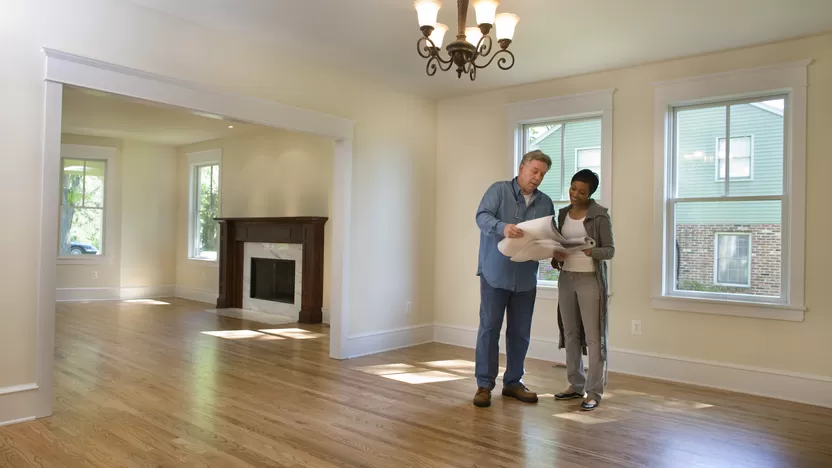
There’s a saying in real estate: you don’t make money selling; you make money when you buy real estate. So invest wisely, and you increase your chances of a profit. The average homeownership tenure in the US is eight years. Furthermore, buying a home comes with a mortgage, and a home inspection is required for mortgage approval.
Professional home inspectors can guide you in this regard. For example, they might discover an expensive structural problem that will cause problems down the road. A professional home inspection report can save you from these troubles.
There are many types of home inspections. As a buyer, you should familiarize yourself with some of them. This article will explore 15 types of home inspections standard in most states.
- What Is Included In A Home Inspection? And Why Do You Need It?
- What Are Different Types Of Home Inspections?
- 1. Roof Inspection
- 2. Electrical Inspection
- 3. Chimney Inspection
- 4. Lead-Based Paint Inspection
- 5. Mold Inspection
- 6. Crawl Space Inspection
- 7. HVAC Inspection
- 8. Asbestos Inspection
- 9. Pest, Termite, Or Rodent Inspection
- 10. Radon Inspection
- 11. Pool And Spa Inspection
- 12. Plumbing And Water Systems Inspection
- 13. Foundation Or Structural Inspection
- 14. Sewer Or Septic System Inspection
- 15. Soil Inspection
- The Bottom Line: Types Of Home Inspections
What Is Included In A Home Inspection? And Why Do You Need It?
So how many types of home inspections do we have? The most common one is a standard home inspection. A standard home inspection covers all home parts and is sufficient for most people. However, you might need a specialized home inspection if your inspector finds some issues. Also, some areas may require separate home inspections like radon, mold, pests, etc. Finally, you may want to have a specific home inspection. For example, if you suspect a foundation problem, it is an excellent idea to let an expert check it.
You may wonder why we need a home inspection. The answer is that a professional home inspection is necessary to verify the functionality of a house. For example, repairs can cost thousands of dollars if the roof falls apart or something goes wrong with the HVAC. A home inspection will cost a few hundred dollars, i.e., $250-$750. You will receive a detailed report showing you the actual status of the property. Then, if there is a problem, you can adjust it in your deal or walk away from it. A home inspection report is equally important if you want to sell or increase the home value by renovating. Your home inspector will guide you about the repairs required when preparing your home for sale.
What Are Different Types Of Home Inspections?
Let’s explore different types of home inspections. Each inspection checks a specific function or problem, for example, roof, plumbing, electrical, foundation inspection, etc.
1. Roof Inspection
The roof is over the head but invisible because we don't know about its health. Proper roof care can save future troubles. Roofers check roofs in two parts. Interior checking includes examining ventilation, attic, mold, moisture, etc. Exterior inspection includes checking leaks, chimneys, and other roof materials.
For metal roofs checking for leaks is essential. Metals expand and contract in summer and winter. This change in size may damage some screws and loosen up the whole assembly. Rust is another issue in metal roofs. For shingle roofs checking for water damage is the primary concern. The next issue is age or wear and tear of shingles, and mold is another. The roofer will check all these issues individually to prepare a detailed report.
2. Electrical Inspection
Poor electrical wiring or equipment is a significant cause of fire in many homes. Thus a home can not be safe without proper and professional electrical installations. Also, proper and standard-compliant electrical wiring is comfortable and energy-saving.
Your home inspector might check for electrical wiring, switches, and boxes. In addition, they will check electrical systems for compliance with city codes, safety practices, and general wear and tear. Finally, they will write about exposed wiring, ungrounded connections, and low-quality modifications. The report will also include an estimated cost of replacement.
3. Chimney Inspection
A Clogged chimney can accumulate a poisonous gas, carbon monoxide (CO). It can cause suffocation and severe health issues. Smoke and odors are other side effects of inefficient ducts. Finally, creosote buildup (caused by burning wood) can lead to a fire. Bat or bird nests in the chimneys may be another issue. A chimney inspection will check for all these problems and more.
Visual examination is one part of the checking process. First, it will reveal any visible wear and tear. Then the inspector will look for any bird openings on the top. Finally, the essential part is to check for proper ventilation. The inspection report will contain the current status of the chimneys, any possible problems, and the repair cost.
4. Lead-Based Paint Inspection
Lead is hazardous to human health, and the federal government banned it in 1978. So logically and legally speaking, no house should have lead paint now. However, many old homes might have lead-based paint. So, it is a good idea to check some samples of color in the lab for the presence of lead.
The home inspector will do a visual inspection for any lead-based paint. In addition, they may collect some samples to test in the laboratory. Lead-based paint inspection is a must for old houses built before 1978, but you can do it for newer homes if you feel a need for it.
5. Mold Inspection
Mold causes allergic reactions. Symptoms like cough, sneezing, watery eyes, headache, and fatigue are common. A mold may indicate a minor problem or a sign of a much bigger issue like flooding, leaks, water damage, etc. It is not difficult to remove mold. Yet, it will reappear in supportive conditions. Areas like pipes, windows, roof leakage, and general humidity cause mold to grow.
An inspector can detect mold by visual examination, surface sampling, or thermal imaging. Moreover, they can check the humidity levels of an area. For example, there might be a water leakage causing mold. Also, some damp or cold spots behind walls might be liable. The assessment may contain the mold status, type, causes, removal method, and costs.
6. Crawl Space Inspection
A crawl space is up to three feet high between the ground and the bottom floor of a house. This extra space is helpful for plumbing, electrical wiring, and HVAC systems. Due to its limited height, one can only crawl to visit this area. This limited access makes the maintenance of this area challenging. So the crawl space may have many problems. Termites, wood rot, and mold are expected if there is leakage or no dehumidifier. There might be foundation problems or leaking ducts, pipes, or hanging wires.
The home inspector will take the time to look for each possible problem in the crawl space carefully. If there are any problems, they will provide an estimate for repair. You can then discuss these problems with the seller. The homeowner may agree to reduce the price or resolve the crawl space issues.
7. HVAC Inspection
Heating, ventilation, and air conditioning inspection is a must. Central cooling and heating systems make a home comfortable. Also, energy-efficient equipment helps you save money. But unfortunately, the cost to repair or reinstall these systems is also very high. That’s why a faulty HVAC can negatively impact your home value.
HVAC inspectors will check each component and the working of the whole system. First, they will check for any strange noise or odor in the system. Then they will match the thermostats and their readings. Then they will check the furnace for any problems. The HVAC inspection report will guide you about possible problems and their solutions. They may also suggest replacing the system with an energy-efficient one to save costs. Overall, you will receive an estimate for repairs/replacement, which can be used to negotiate a better price.
8. Asbestos Inspection
Asbestos is not harmful in normal conditions. However, its fibers propagated in the air can cause health problems, including lung cancer. Therefore, the use of asbestos is banned now. However, for houses built before 1975, asbestos usage was a routine. Builders used it for its low price, strength, lower weight, and long-lasting life. As a result, asbestos-containing materials (ACM) may be present in a house in several places, like insulation, floor tiles, paint siding, etc.
Asbestos inspection is necessary to check for its presence. The asbestos test might take some time, and the inspector has to look for it at several places. If found and the inspector recommends its removal, you need to negotiate the price. Asbestos inspection is a must for remodeled property, mainly if changes are applied to the insulation, flooring, and roof.
9. Pest, Termite, Or Rodent Inspection
Pests, termites, rodents, carpenter ants, and spiders can create a lot of discomfort and property damage. Finding and removing them as soon as possible is the only way to avoid losses.
For the pest inspection, the inspector will first look for obvious visual signs. Then they can check moisture levels for indirect signs. For example, mud tubes or damaged wood might also be warning signs.
Most homes suffer from termite damage, and it remains invisible until you hear a cracking sound while walking. For early detection, you will need a termite home inspection report.
10. Radon Inspection
Radon is an odorless, colorless gas with radioactive properties. Breathing it over time may lead to lung cancer. The Environmental Protection Agency (EPA) estimates that at least one home out of fifteen in the United States has elevated radon levels. A map of high radon zones is available on the EPA site. Reducing radon levels will also improve the home's air quality and energy efficiency.
Radon home inspection is more important for houses with basements. An inspector can check radon levels with a short-term test of 2-3 days or a long-term test of 90 days. In addition, you may get a previous radon level test report from the seller to check for any increase in radon levels.
11. Pool And Spa Inspection
A pool adds to the value of a home. However, maintaining its structure, components, and systems is challenging. In addition, a house may have many water/cleaning problems due to the pool. Therefore you should ask your home inspector to check it thoroughly.
While inspecting, a home inspector will first check for leaks and structural damage. Then they will assess the drainage system. Then they might check it for any safety cover, hardware problems, or possible improvements.
12. Plumbing And Water Systems Inspection
A plumbing home inspection is necessary because a plumbing emergency can become a nightmare for the homeowner. Galvanized plumbing is typical in many homes. It weakens the pipes, which can leak any time to cause a lot of damage. If the house has a well, you should have it checked.
The inspecting person will first check the plumbing and water system visually. Then they might check it with different devices. For example, they may use cameras to diagnose plumbing issues or verify the quality of fixtures. The inspector will also check for proper water pressure at every required place. They will also check if the heating system connects to the plumbing and water system.
13. Foundation Or Structural Inspection
As a foundation is not visible, it is easy to overlook its quality and checkup. However, foundation inspection is a must-have for every home buyer because a problem here can lead to many issues in the house.
Similarly, a structural inspection can reveal problems like gaps between walls and ceilings or cracks in any walls. A minor issue like improper closing doors might be a warning sign of problems with the house structure.
The General home inspector will check the foundation and structure of the house. However, a structural engineer can inspect the house for any foundation or structural issues for a more thorough analysis.
14. Sewer Or Septic System Inspection
Sewers and septic tanks are an essential part of a house. However, not every home has a connection to the sewer system. A sewer inspection will find any issues with this vital system. In addition, many inspectors use cameras to find any blockage or areas with congested flow.
A septic tank home inspection will check the sludge level and the last pumped date. This inspection will also verify if the tank size is according to community standards and family size. Even after the purchase, you should have a septic tank inspection every three to five years.
15. Soil Inspection
The Foundation of a home rests on the soil. Therefore the condition of the soil determines the stability of a house. Therefore, soil analysis should be a part of the pre-construction analysis. You should conduct a soil inspection to remove any doubts in this regard. Soil inspection is more critical in hilly or rainstorm areas. It will test for soil shifting or any chances of mudflows, erosions, etc.
The Bottom Line: Types Of Home Inspections
There are many types of home inspections available for different houses and equipment. We discussed the top fifteen types of home inspections here, but there can be more. You may wonder, is it necessary to have a home inspection? Is getting a home inspection worth the hassle and cost?
The answer is yes. You’re buying a financial asset. You want to build memories for years to come. Now is the right time to scrutinize this. If you find any problem in the home inspection, you will save money and headaches. Without a professional home inspection, you could be putting yourself at risk of potential health issues. You want to avoid that for kids, older people, and yourself. You want your family to live problem-free in your home sweet home.
As a rule, you should first have a general home inspection. It’s also called pre-inspection when selling a home. It will uncover most of the issues. Then if you find something suspicious, you can let that part be checked more thoroughly by a qualified person. A specific home inspection cost will vary depending on the issue being inspected. For example, you might need the help of a structural engineer and a home inspector for structural problems, which can cost a couple of hundred dollars. You might want to get 2-3 quotes before choosing a professional home inspector.
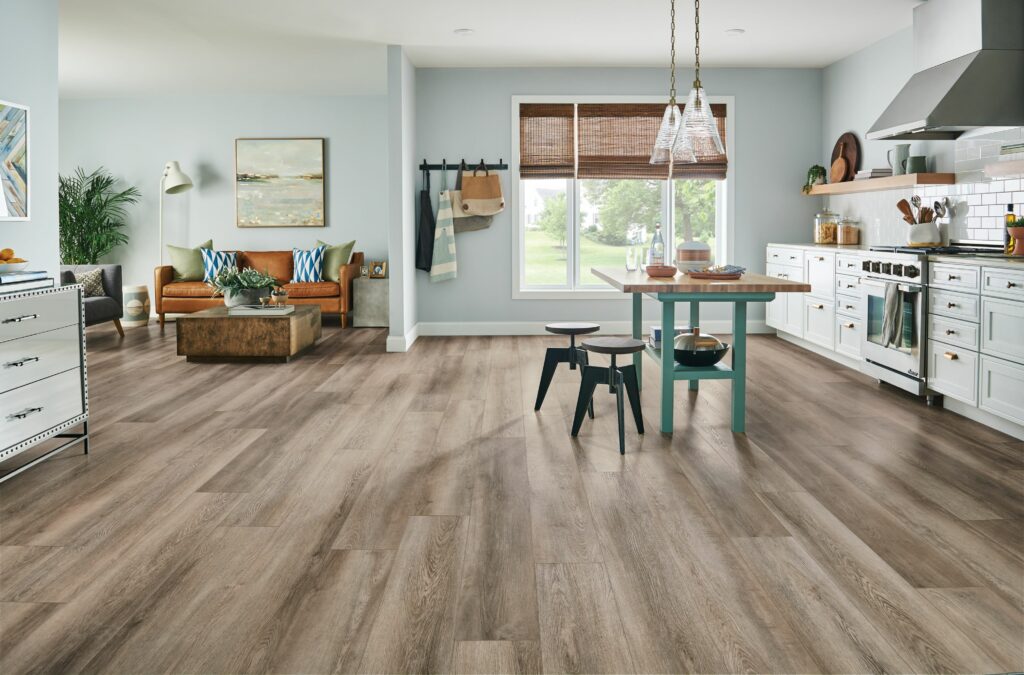
There is a powerful saying, "A home is where the heart is." There are many things that make this true, and many aspects of any home make it look beautiful.
However, of all the fundamental features that affect the home's appearance, flooring is often overlooked. If you want to sell your home at a good price and are looking for ways to remodel it, then it may be a good idea to invest in flooring.
Many real estate agents consider flooring as the most important aspect after the roof and the other mechanical aspects. Flooring can spice up the entire home’s appearance and thus sets the tone and mood.
But what kind of flooring increases home value? There are various options to consider when it comes to flooring. Several factors influence the flooring type that is suitable for your home. Considering those factors you can choose the best flooring to increase home value. This article shares all the basics related to flooring and how it increases a home’s value.
Just like everything in life, the flooring industry has also seen a lot of changes. Almost two decades ago carpets were a big thing. However, carpets were replaced by hardwoods and today the trend is moving towards luxury vinyl tile and laminate flooring types. But, does vinyl flooring increase home value? Let's find out below:
Which Flooring Options Should Buyers Consider?
Wondering what flooring increases home value? There are different flooring types to consider for your home. The most popular and in-demand ones are discussed below:
Hardwood
Hardwood has been the most popular choice among home buyers and real estate agents alike. This makes hardwood one of the best flooring types to increase home value. According to a recent study done by the National Association of Realtors ®, about 90% of homeowners who have switched to hardwood floors want to spend more time at home whereas 77% have an increased sense of enjoyment at home. With hardwood floors, you can target the biggest market segment. A recent study has found that 54% of buyers are willing to pay more for a home having hardwood floors.
You can select hardwood floors for your kitchen, living room, entryways, and common spaces. However, don't select them for your bathroom, as they get damaged by moisture and are easily warped. For bedrooms, you can either have a carpet or hardwood. The only downside is the cost of hardwood floors. The cost varies according to the type of wood and ranges from $5 to $20 per square foot with an additional $4 to $8 per square foot for installation.
However, hardwood floors also generate the highest ROI. An average ROI for hardwood installation is 70% to 80%. It boosts the average home value by about 2.5%. For example, if a home value is $200,000, hardwood floors installation would increase it to $205,000.
Engineered Hardwood
Engineered hardwood is the next best flooring to increase home value after hardwood flooring if the latter isn't in your budget. This flooring type offers a similar ROI to that of solid hardwood. The selection of engineered hardwood merely depends on your taste and preferences.
It is made of the same hardwood, but by merging cross-layers of wood veneers. Engineered hardwood flooring is not only more humidity resistant but also has the same charm and beauty as solid hardwood. It is available in different wood species giving you some options to choose from to fit into your decor.
Laminate
If you are looking for home renovation on a budget, laminate is the best flooring to increase home value. Not only is it durable, but also comes in a variety of styles to suit your home’s appearance. The wooden-laminate look gives an appearance of real wood without requiring wooden maintenance. This makes it a great flooring option for families with young children and pets.
You can find laminate floors in a range of colors that complement your home. This flooring is also quite affordable, which means you should get a pretty good return on your investment as long as the floors are in good condition. Another plus point is its easy cleaning and maintenance. Lastly, a high-quality laminate floor looks more like a hardwood floor which is great for making a powerful first impression on the buyers.
Waterproof Flooring
Waterproof flooring is best suited to households with large families. It offers beauty and practicality combined, making it the best flooring to increase home value for a moisturized home environment. The perfect spaces for waterproof flooring include kitchens, bathrooms, basements, and laundry rooms.
Waterproof flooring is available in different flooring types, pricing, styles, and brands. Waterproof hardwood flooring products similar to vinyl flooring are also available including waterproof vinyl flooring styles. Use an epoxy coating if you want flooring to withstand moisture and heavy traffic.
Tile
Tile is the best flooring to increase home value for bathrooms, laundry areas, and kitchens. Kitchens and bathrooms help in selling homes, which is why you need to select the right flooring for these two spaces. Tiles usually don't offer any ROI and are difficult to install and maintain. Typically a tile costs anywhere from $12 to $44 per square foot, depending on the type.
Ceramic tiles cost the least, but come with a high labor price. However, you can earn around 70% ROI if you choose to install this type of tile on your own. Marble is the most expensive tile option and is not suitable for low-mid range homes. It does look attractive but requires special care that most home buyers are not happy with.
Vinyl Flooring
Does vinyl flooring increase home value? Is it the way forward as far as flooring in 2022 is concerned? The answer to this question is yes. Vinyl is absolutely an upcoming floor trend for different reasons. The best part about vinyl flooring is that it is cost-effective. This attracts a lot of budget-conscious homeowners interested in an aesthetically pleasing home without spending a lot of money.
Vinyl costs only $0.75 to $4 per square foot in addition to the installation charges. This way you can spend less on your floor and generate a fast ROI. It is the best choice especially if you are investing in real estate and need to know the cost to build a house. You would also find vinyl flooring options in different colors and textures to fit your decor.
There are several benefits to installing vinyl flooring for homeowners. It is durable and has a longevity of 10-20 years. It's also waterproof so you don't need to worry about stains and spills on the floor. Most vinyl floorings are also scratch resistant which is another plus for families with children and pets. Lastly, they give a hardwood floor look without the heavy cost and maintenance. However, vinyl that is a hardwood look alike doesn't generate the same ROI as real hardwood does.
The Bottom Line: What flooring increases home value?
Renovating your home’s flooring is a great way to enhance its appearance and resale value. You can choose from the different flooring options shared above. Every flooring option has its pros and cons. The best flooring to increase home value depends on your taste, budget, and home environment. If you are looking for a budget-friendly, durable option, and wondering what kind of flooring increases home value then don't look any further than vinyl flooring options. It is the best choice in increasing the value of your home. Good luck!
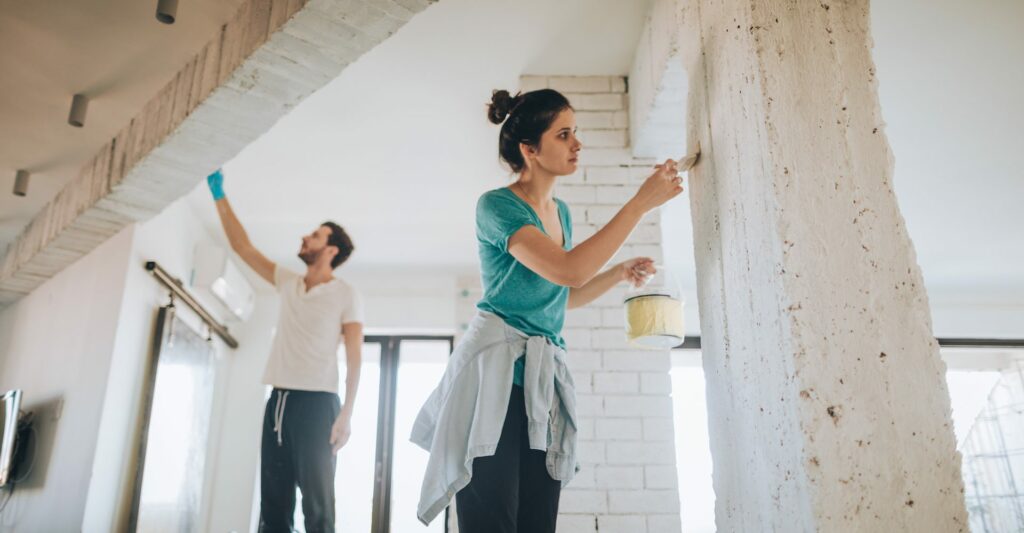
Renovating your home can be an expensive undertaking that will cost you time, money and inconvenience. There are many improvements that owners make to increase home value. These are prioritized based on their financial impact and how they will benefit your day-to-day life. It's important to think about your long-term goals and the value of your home when making renovations.
It is worth investing in improvements to increase the resale price of your home if you intend to sell it in the next few years. These are the home improvements most likely to increase the value of your home and maximize your return on investment. They also often reduce the time it takes to sell.
What Home Improvements Add The Most Value?
If you're considering selling your home, you might be tempted to go overboard with upgrades to get the top price at the closing table. While some projects, like replacing your garage door, doing a minor kitchen renovation, or knowing what flooring increases home value will accomplish this, others rarely boost your resale value. Here are six effective ways to upgrade your home when preparing to sell.
Remodeling The Kitchen
It's not always worth major renovations if you plan to sell immediately. A minor kitchen renovation can increase your home's appeal to potential buyers. It's important to focus on cosmetics and not structural or floor plan changes when remodeling a kitchen.
You can replace the flooring or add a new backsplash with a minor kitchen renovation. You can also refinish cabinets and add new light fixtures. You want to make the space more inviting and visually appealing without altering the main layout.
Boosting The Bathroom With Green Renovations
Major bathroom renovations can be expensive, just like kitchens. However, they are often not worth the effort before selling the house. The exception is a bathroom addition.
Minor upgrades, such as replacing light fixtures and faucets with eco-friendly versions, will improve the value of your home. Low-flow toilets and showerheads can help reduce water usage and provide a new bathroom with lower utility bills.
Interior Design
If you plan to sell your home soon, most real estate professionals recommend that you focus on minor repairs and improvements. You may not see a full return on investment on major kitchen renovations. Home improvements are worth the upfront costs whether you intend to sell or not. One of them is the electrical panel upgrade.
Electricians at Travis Electrical Service say there are many benefits to upgrading an electrical panel. Safety is the primary reason. The risk of fire increases as wiring and connections deteriorate over time. You should upgrade your fuse box if you have one.
Another important consideration is your home appliances; lifestyles require more power each year. Modern appliances and electronics can be plugged into the electrical panel to increase the capacity of your home.
Your resale price will increase if you have an electrical panel upgrade. You risk losing potential buyers if you don't include the upgrade. It could make your home less attractive as compared to other homes and keep it on the market longer. Potential buyers can negotiate the price based on the upgrade or add a contingency.
While it may not be as striking as a cosmetic upgrade, upgrading an electrical panel is well worth the cost.
Increase Functional Living Space
Potential buyers will appreciate the value of a functional, more comfortable, useful living space. You might even find that you want to stay in your home longer once the renovations are complete.
You can quickly spend more than you originally budgeted when trying to add square footage to your home. Renovating the existing space in your home is a better option than adding on. A bedroom or workout space could be created in the attic. Create a family room in the basement. Those who can personalize the space are more likely to purchase a versatile room.
A basement is a great way to expand your living space. You can effectively double the marketable square footage of your home by enclosing the walls, adding lighting, and finishing the floors. Frame the space to create additional rooms.
A home office can be a great way to increase the value of potential buyers. Many people are still working from home after the pandemic. You can use your garage to add finished space and show how it can be used as a multipurpose space. A patio or covered outdoor living area is another great value option.
Boost Curb Appeal
Property experts say highly-attractive homes sell for an average of 7.7% more than comparable homes that don't have curb appeal. Your homes attractiveness can impact your selling price by tens of thousands of dollars so it is worth investing time and money in basic exterior work.
When improving curb appeal, landscaping is a key feature. It's important not to overdo your landscaping when improving your yard. Although beautiful, intricate gardens can be stunning to look at, they can be intimidating to modern buyers. They are fun to see but difficult to maintain. Prospective buyers need to be confident that they can handle landscaping improvements.
The front door and entry are two of the most important areas of your home. You can paint your door or get a more energy-efficient one to increase your home’s value. Add planters and a house number for a noticeable improvement in curb appeal.
Natural Lighting: Increase Your Success
This important work can help reduce the time and cost of replacing windows in older homes. It comes with a substantial upfront cost. It's worth investing in natural lighting if you choose this route.
Cosmetically, natural light is what sells a home. It is worth investing in window upgrades to improve natural light. You can also consider adding light fixtures in areas that are not easily accessible from windows.
If you have an older home, upgrading windows not only saves you money on your energy bill and avoids structural repairs caused by leaks. New windows also bring a fresh and bright look, especially if you increase the size of small windows or change the location for better views.
The Bottom Line: How Much Do Home Improvements Impact The Value Of A House?
High-end home upgrades can drive the sale price, but only if the entire home has been upgraded to the same high standard. Otherwise, high-end upgrades won't do much to increase the value of your home. Suppose a house with a beautifully renovated kitchen also has old bathrooms. In that case, the house will likely be considered a work in progress, and that expensive kitchen renovation might not pay off much.