
Different kinds of property contracts contain different types of terms. These terms govern the legal aspects of the sale, purchase, lease, and rent of that property. However, buying into a housing co-op is unique in many ways. One significant difference is that you do not own a specific home. Instead, you own shares in a corporation that owns all units. New York City is mostly co-op oriented, and there are up to 70% more co-op units than condominiums.
As you do not own a specific unit, thus you need an agreement to use a particular unit. The name of this agreement is a proprietary lease. Before signing this agreement, you need to know "what is a proprietary lease" and how it works. This article will guide you through all you need to know about this type of lease. We will discuss the ins and outs of this type of lease with an example.
What Is A Proprietary Lease?
Regulation laws do not consider a shareholder a tenant in a housing co-op. The reason is simple. They have no direct ownership of an apartment. Instead, they own shares in a housing co-op which in turn owns all units.
Thus, to allow the shareholder to occupy a particular unit, we need another contract. This contract defines how a shareholder can occupy an apartment. Moreover, it establishes the shareholder association with the co-op. Two primary documents govern the relationship between a shareholder and the housing co-op. The name of these documents is the "proprietary lease" and the "bylaws."
The bylaws are the governing rules for the whole building. It regulates the details of the cooperative corporation. For example, it might contain information on the corporation, like its organization, management, and board of directors. It also includes the election method and who can run for the co-op's board of directors. It has another document, sometimes called the "house rules," which the residents should follow.
We discussed how to deal with the whole housing complex. Yet, we still need a contract for individual units. A proprietary lease is a contract between the co-op shareholder and its board of directors. Some realtors also call this document an occupancy agreement. It governs all aspects of the relationship between both parties related to that unit. For example, it grants the shareholder the right to live in a specific apartment. Moreover, it defines the board of directors and shareholders' rights and duties.
How Do Proprietary Leases Actually Work?
Buying shares in a co-op is not buying an apartment. What you get is literally shares of stock in a company. When you buy a house or condo, you get a deed. This deed assigns the right of that unit to you. However, you receive shares, not a specific home, when you buy shares.
Now, irrespective of the legal setup, people who buy shares in a co-op actually want to own a unit. Thus co-ops use the proprietary lease to allow the shareholders to have a unit. It is an agreement between the shareholder and the co-op board of directors. It gives the shareholder some rights to enjoy and obligations to fill. Similarly, the cooperative corporation can do its job efficiently.
Proprietary leases are usually active for a fixed period. Usually, they have a maturity time of 30 to 50 years. Therefore, this agreement clarifies many things. For example:
- Occupancy: It explains which shareholder is allowed to occupy which unit.
- Monthly Charges: Monthly bills and maintenance charges of the unit. You may be bound to pay even if you are not using that unit. Also, all shareholders have to pay for any extra expenses if needed.
- Sublet Options: Are you allowed to sublet the unit to someone else? If yes, on what conditions can you do it?
- Repair And Maintenance: Which types of repairs are the shareholder's responsibility?
- Mortgage Rules: Whether you can take out a mortgage or not. If yes, under what terms are you allowed to do it?
- Default Clause: What is a default on the lease, and what will happen in case of a default? Co-op can alter the house rules. The shareholder, their family, guests, sub-tenants, or employees should observe these rules. Breaching these rules will cause a default.
- Decent Living Condition: The owner can cook but should not cause disturbing smells. Similarly, they should not make loud noises or block public stairways or hallways.
- Lease Maturity: How long will this lease be effective?
- Right To Check: The co-op can always check a house if there is a reason to do so. The owner should share a key with them. They can break in at the owner's expense if needed.
- Termination: Under what conditions may the co-op cancel your lease agreement?
- Co-Op Duties: Duties of the co-op for keeping the building in good condition. Also, it includes details about any utilities included, like gas and water.
- Co-Op Indemnification: The co-op is not liable for any damage from the visitors. Thus, loss caused by guests, contractors, etc., is not their fault. Similarly, it is not accountable for shareholders' failure to comply with the lease.
- Account Inspection Right: Every shareholder can review the accounting books of the co-op with proper notice. Also, certified annual financial reports are available to them.
- Same Lease For All: Each shareholder signs the same agreement. Only the two-thirds majority can change the lease document. When that happens, all shareholders will have the updated lease.
- Mechanic's Lien: If a mechanic files a lien against a shareholder, it is against the whole building. The co-op will pay it without investigation and take the bill from the shareholder. It is sometimes challenging to fight the dispute, and starting a lawsuit might be the only option.
- Unit Possession: As the co-op owns each unit, it can take them back anytime. Usually, it happens when the shareholder violates the lease agreement. Also, the co-op can end the lease in other cases. For example, offensive behavior, bankruptcy, unauthorized occupancy, rent default, etc.
An Example Of A Proprietary Lease In A Co-Op
As no shareholder is the actual owner of a house, a proprietary lease can give you many rights to enjoy. These benefits may not exist in other forms of house ownership, or it isn't easy to get them.
Suppose the lease document has a clause to grant the right to enjoy a quiet environment. The noise restrictions are usually stricter at night to allow peaceful sleep for everyone. If your neighbor is loud, you can file a complaint, and the co-op will check into the matter. The co-op board will determine if that neighbor violated the house rules, and that neighbor might face the consequences.
Similarly, suppose the neighbor above you has a leaky bathroom. If this leak drips through your ceiling, they have to repair it. Again, you can cite the maintenance terms when arguing with the board about the issue.
However, the co-op has limited responsibilities regarding repair. For example, if a pipe bursts in a wall, the co-op will repair it because it is their responsibility. Once the fixer restores the pipeline, the co-op will not paint the wall because they only have to return it to the paintable surface. Whether you have expensive wallpaper or simple paint, it is your duty to finish the job.
The Bottom Line: What Is A Proprietary Lease
- Let us review the answer to the question, "what is a proprietary lease." A proprietary lease does not mean you own real estate. That is why it is also called an occupancy agreement. Yet, it is an essential document for both the housing co-op and the tenants. Just as regular leases protect traditional landlords, proprietary leases cover the cooperative corporation. Similarly, it protects the shareholders by clearly outlining their rights and duties. This way, it gives peace of mind to the tenants and a solid structure to the working model of the co-op.
- Being a shareholder in a co-op is not the same as owning a condo. For example, in a condo, you own your unit. However, in the case of a housing co-op, the cooperative corporation owns all units. Thus, shareholders should thoroughly review their contract documents before finalizing their co-op apartments. You may need the help of a lawyer and an expert property dealer to understand it better. In case you are already living in a housing co-op, now is an excellent time to review this document in detail. This way, you will understand your rights and duties to the board of governors. If you need any help in this regard, please feel free to contact us now.
FAQs About Proprietary Lease
Here are some frequently asked questions related to a proprietary lease.
]]>
A multifamily home is a residential property having two or more units. The property owner may or may not be living in one unit. It is a good buy for passive income. However, these homes also have their unique challenges.
If you have ever thought about what a multi-family home is, you are at the right place. Here we will discuss what a multi-family home can do for you. We will also study their pros and cons. Moreover, we will see how you can use them to build wealth.
What Is A Multifamily Home?
A multifamily home is a home that can house two or more families separately. These units have one or two shared walls. However, each unit has different living rooms, bathrooms, kitchens, etc. The upper limit for a multi-family house is four units. Any building having more than four units is a commercial property. You can buy multi-family homes with traditional loans. There are many types of multi-family housing units.
- A Duplex has two dwellings within the same house. The front door is shared, but both units have their entrances.
- A Triplex is the same as a duplex but has three residences.
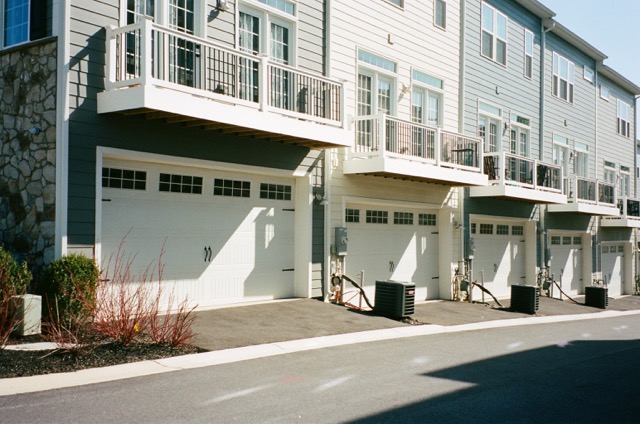
- A Townhouse is a multi-story housing unit where two families live side by side with one or two common walls. Each family will have a separate entrance, and they will purchase their unit separately.
- A Semi-Detached house is a single-family home with one shared wall. These units are larger than townhouses.
- A Condo is an individual unit in a building of multiple units. Each owner owns their unit separately, paying monthly homeowners association fees.
- An Apartment Complex is a single building with five or more housing units. It may have common resources like parking or a playground.
Cost To Build A Multifamily Home
How much it costs to build a multi-family home depends on several factors, including:
- Cost of materials: Quantity, brand, and quality can increase costs.
- The Property Size: Total area, covered area, and the number of units.
- The Location: Various parts of the country and cities have various rates.
- Your Financial Position: The more loan you need, the higher the cost.
Due to these factors, the cost of building a multi-family property can vary. A general estimate is between $60,000 to $90,000 per unit for smaller homes having up to four units. Larger properties might have a total cost of millions of dollars. However, their price per unit will be lower.
The Pros And Cons Of A Multifamily Home
There are many benefits and drawbacks of investing in multi-family homes. Before locking investment, you should review its risks and lifestyle implications. Let us study the pros and cons in detail.
Pros Of A Multifamily Home
There are many benefits of a multifamily home. For example:
Constant Cash Flow: A multifamily home's Rental income can be a steady source of income. You can use it to pay your mortgage. Similarly, you can use this cash flow to further your investing and financing goals.
Manage Your Property: No one can take care of your property as you do. Thus living in a multi-family home unit allows you to take care of your property. In addition, timely repair of minor things can save a lot down the road.
Claim Tax Benefits: Owning a multi-family home has many tax benefits. For example, you can adjust most repairs and mortgage interest as a business expense.
Cons Of A Multifamily Home
Despite many benefits, there are some downsides to buying a multi-family home. For example:
Risking A Large Investment: The higher price of a multi-family home means locking a significant investment on a single property. In addition, you will be betting on rental income and future price hikes for capital gain. It may not happen in some cases.
You Have To Commit Time And Resources: Renting a multi-family home creates many landlord issues. The major one is the time commitment. If you also live in one of the units, be ready for tenants to knock on any time for help.
The Maintenance Challenge: Keeping all housing units in good shape is difficult. You have to take care of the repairs and fixes. Owning a multi-family home can be a hassle If you dislike these tasks.
Who Are Multifamily Homes Best For?
Multifamily homes are best for people interested in real estate investment and can take on the duties of a landlord. You can live in a unit while managing all the others. Once you pay the mortgage of your multi-family home, rental yield can be an almost passive income stream. This type of property suits new investors because they can start with little investment. Moreover, they have the motivation to manage it for several years.
Similarly, a multi-family home can be a good buy for multi-generational families. A multi-family home is ideal if they want to live jointly but keep their privacy. An extended family can buy anywhere from 2-4 units together and live under one roof. They can support each other, get together and still live separately in a multi-family home.
What To Know Before Buying A Multi-Family Home?
You should know and verify several things before buying a multi-family home.
- Location Matters: Location is the most significant factor when buying multi-family homes. You need tenants to move this circle. Tenants are not easier to get in all locations.
- You Need Cash Cushion: As you will be paying a mortgage, you need constant rental income. Similarly, the repair and maintenance of a multi-family home will need extra money.
- Check The Seller: You need to know the seller's history and the property background.
- Buy Suitable Units: You need to balance how much you can afford and how much you can manage. Too many housing units or too few housing units, both might not serve you.
- Selling Complexity: Selling a multi-family home is more complicated than a single-family one.
The Bottom Line: What Is A Multifamily Home
- Answering what is a multifamily home, we now know that it has many residential units. Buying a multifamily home is helpful in many ways. One of them is the rental income. Also, they are cheaper than detached units. That is why many real estate investors start their investing career with them.
- However, maintaining and managing these homes can be tricky. It is not entirely passive income. You are good to go if you can handle dealing with many tenants and property management. Thus, before investing in a multifamily home, you should review other options closely. Knowing about the full range of options like apartments, condos, townhouses, co-ops, and modular homes will help you make better decisions.
- Acquiring this type of property is different from other types of properties. First, there are only a few of these properties in each area. Second, you have to inspect each unit separately. Failing to do so may leave you in a situation where you have a partially rented property. This problem will hurt your bottom line. You can find many mortgage lenders to help you buy multifamily homes. If you have any questions about this type of home, please feel free to contact us. We are just a message away.
FAQs About Multifamily Homes
Multifamily homes are getting popular. Thus we have compiled related frequently asked questions (FAQs).
]]>
If you are considering buying a townhouse, you are at the right place. This guide will explain all you need to know about this house type. Answering, "what is a townhouse," the first thing to note is that its name is confusing among other types of homes. For example, it provides little context to the actual meanings. After all, logically, any house in a town can be a townhouse. However, this term means a multistory house that shares one or two walls with the neighbors.
The popularity of townhouses saw many roller coaster rides. Once they were trendy, then their popularity declined. Yet, contrary to what many people were thinking, their popularity is growing again. There are many reasons for this popularity revival. Their easier maintenance, amenities, and better value make them a great choice. Let us explore it in detail.
What Is a Townhouse?
Let us first answer what type of a home a townhouse is. It is a home with multiple floors that shares one or both side walls with its neighbors. Usually, builders build them in blocks instead of individual units—all houses of a block look-alike from the outside. Although real estate terms sometimes shift rapidly, townhouses and townhomes mean the same thing.
A townhouse is an individually owned unit with its entrance and outdoor space. A homeowners association (HOA) develops and maintains them. Sometimes, it might not be part of an HOA. However, mostly it is. When it is under the governance of an HOA, you are subject to rules and monthly fees. For example, HOA will determine what you are permitted to do with the house's exterior. Monthly payments depend on available amenities, but they can vary between $100 and $1,000. Thus considering monthly fees before buying such a house is a critical step.
A townhouse is not a new phenomenon. It originated in Europe in the seventeenth century. Although they initially mushroomed only in cities, now you can find them virtually everywhere. They are more prevalent in urban and suburban areas. One key difference between initial and today's townhouses is the careful utilization of space. Thus modern ones are always multistory and have no distance between adjacent homes. This setup makes it economical in populated areas where land is crucial.
Despite attached neighbor houses, society rules, and monthly fees, townhouses are very popular today. The reason might be their affordability, location, and amenities.
What Does A Townhouse Look Like?
You can spot a townhouse lined up in blocks with others in dense urban and suburban areas. They are two or three stories tall and look alike from the outside. Each house shares two walls with adjacent units. However, the corner house shares only one side. They resemble traditional individual detached homes. However, their operating terms are closer to condominiums. Many have front and back yards, while others have private parking. HOA regulates and maintains the amenities of these houses. Thus, they look more like a society than individual houses.
Pros And Cons Of Buying A Townhouse
Like all types of real estate ownership, buying a townhouse has pros and cons. However, these pros and cons are not absolute and may differ according to HOA rules and areas. Comparing these points, you can judge their suitability for your lifestyle.
Pros Of Living In A Townhouse
- Availability Of Mortgage Financing. Almost all mortgage options for standalone homes are also available for townhouses. You need the same steps to perform, and home loans of the same type are open to you. It makes financing a townhome easier. For example, FHA, USDA, and VA loans are available.
- Availability Of Many Amenities. Unlike other types of homes, you can enjoy many amenities of a modern lifestyle in a townhouse. Usually, amenities like a clubhouse, gym, pool, and security are available. Yet the quality and quantity of available amenities can vary according to cost and area.
- Much Cheaper Than Traditional Homes. For the same locality and features, a townhouse is cheaper than a single-family home. Of course, you will pay less, but you won't give up many features.
- Ease Of Maintenance. A townhouse is easier to maintain for several reasons. First, cleaning and maintaining shared areas and outside of your home is the duty of the HOA. Secondly, as you have less space, you can easily keep it well-maintained.
- Outdoor Space. Unlike an apartment, townhouses have a small private open space available. You can use it as a lawn. Moreover, you may own a private garage in some areas.
Cons Of Living In A Townhouse
- Possible Restrictions. There may be many restrictions if the home is part of an HOA. Even in some localities, you can not change the color of the walls or the front door. You cannot update everything according to your liking. While it gives the whole community a uniform look, it may be too limiting for some people.
- Higher Maintenance Fees. HOA will charge fees to maintain shared amenities outside of your home. These fees range from $100 to $1,000, so you must allocate funds. This bill has occasional hikes due to the hefty repair of the swimming pool, etc.
- Possible Resale Value Issues. Resale value depends upon new units available vs. eager buyers. Thus, if they constantly add new houses in your area, the value of your property may not increase.
- Privacy And Noise Issues. As homes are attached, you may hear noise from your neighbors. Similarly, you can not talk loudly near walls for fear of privacy breach. You may also hear traffic noise if it is a high-traffic area.
- Accessibility Challenge. It is not comfortable for everyone to climb stairs. As these homes are vertical, your home space is sliced into two or three pieces if you also have a basement. It is mainly a challenge for old, ill, or disabled people.
What Is The Difference Between A Condo And A Townhouse?
While joining a townhouse vs. condo debate, we find many interesting similarities and differences. Let us start the talk with the similarities. First, both have one or two joint walls with neighboring properties. Second, some form of HOA controls both properties. Third, both are individually owned homes. Finally, both have shared community amenities.
- Ownership: A townhouse is a residence style, while condos are a form of ownership. Thus a house that looks like a single-family home can be a condo if the owner does not own the land.
- Maintenance: Like single-family homes, townhome owners maintain the interior and exterior of their homes. However, the condo association takes care of the exterior, and the owners are only responsible for the interior.
- Pricing: Condominiums are cheaper than townhouses, which are more affordable than single-family homes.
- Investment: Townhouses are better because you own the land, and their value is appreciated faster than condos.
- HOA Fees: Condos fees are higher because they have more shared areas and amenities to maintain.
- Security: Condos have security systems and secured entrances; in townhouses, every owner has to install their security system or live without it.
- Privacy: A common wall in the living room can be a challenge in a townhouse. On the other hand, a condo can be a bit noisy if neighbors don't care, but it is generally a more private space.
- Lifestyle: You can walk outside your front door to the road. While in the condo, you must go through the hallway to the elevator and the main gate. You may have a front and back yard in townhouses.
How To Buy A Townhouse?
Buying a townhouse is not difficult if you plan your mission well. Read our step-by-step procedure to know the process better.
Step 1: Evaluate Your Budget
As with any purchase, the first step is to know how much you can spend. Townhouses are cheaper than many other types of homes. However, you may need a mortgage to fund the purchase.
For other home loans, you will consider only monthly mortgage payments. However, with a townhouse, you must also consider the HOA fees and homeowners insurance payment. These monthly payments can stretch your budget. Also, HOA fees may increase in the future.
Know the current amount of these payments. Next, make an expected payment plan for the next two to five years. These estimates will give you an idea about your financial commitments. Then get yourself ready for this before diving further.
Step 2: Clarify What You Want
Most people know how many bedrooms or types of furniture they want. However, these are internal features of a home. A townhome is also about a community. There might be extra features, payments, and duties in that community. Some communities are very restrictive, and some are less. Are you ready for that?
Thus you will need two lists of features. First, write what you want inside your 4-wall boundary. Second, enlist what you wish to have outside of your house and in the community. Make a list of features in a "must have," "good to have," or "don't care'' style. Consider parking slots, lawn maintenance, community pool, monthly fees, neighbor noise, restrictions, obligations, etc.
You will be paying for many amenities available to you. If you are paying for them, you should know what quality you will get. Make a list of all facilities and restrictions to decide better.
Step 3: Compare Loan Options And Get Pre Approved
Most people buy a new house on a mortgage. You should shop for the best options if you need a mortgage. Compare mortgage lenders in terms of down payment, loan amount, other conditions, etc.
Then it is a good idea to get pre-approved. Of course, the pre-approval process will require all kinds of financial documentation. However, at the end of the process, you will know your financial status and how much loan you can expect.
Knowing your financial limits, you can hunt for your dream townhouse. First, search for a home that suits your needs and is affordable. Then, it is also necessary to verify the neighborhood and communicate with the seller. Finally, you can show your pre-approval status to the seller. Sellers prefer pre-approved buyers as they are more sure that the deal will close. So it will help in moving ahead faster.
Step 4: Find Your Dream Townhouse And Close The Deal
After searching for your dream townhome and verifying the neighborhood, it is time to make an offer. As you are already pre-approved, you can make a solid, affordable offer. You may need the help of your lawyer or real estate agent for this step. The seller will evaluate your proposal. If they accept, you can apply for the loan.
Once the lender approves the loan, you can start the closing process. It again involves documentation, legal procedure, etc. Then you have to pay the closing costs if any. Finally, you will get the keys, original documents, etc. Now, you can move into your new home for a great living.
The Bottom Line: What Is A Townhouse
- Now that you know "what is a townhouse" and how it differs from other options, you can decide whether it is best for you. Owning it is best for first-time buyers or people on a budget. However, it is not about a house but a lifestyle. Of course, you sacrifice a bit of privacy. Yet, it will be comfortable in a well-planned community and friendly neighbors.
- People dislike a townhouse mainly for high restrictions or high fees. Because it is a community lifestyle, everyone should follow the rules. Rules and ethics can make it a great neighborhood. Management needs regulations to force people to follow the rules. Similarly, to keep shared amenities in great shape, they need fees. If the balance is imperfect, it might become too restrictive and costly. You should consider other options if you need more space, privacy, or lower monthly fees. If you have any questions, feel free to contact us.
Frequently Asked Questions(FAQs) About Townhouses
As townhouses are becoming popular again, we get many questions, from "What is a townhouse" to "Are they a good buy." Read our top FAQs about townhouses to learn more.
]]>
So how to negotiate a real estate commission? Despite common belief, real estate commissions are negotiable. However, when bargaining, real estate agents behave in three ways. The first group will readily accept the reduction. The second group will not negotiate because they don't have to. Finally, some agents can not reduce commissions due to higher broker shares. This guide will help you with negotiating a real estate commission effectively. You can save a lot by knowing these tips.
What Is A Real Estate Commission, And Who Pays For It?
Real estate agents provide many services like leads, marketing, negotiation, and documentation. These services make the home buying/selling process manageable and smoother. Agents charge a real estate commission for their services. Although agents like a percentage share, some may offer a flat fee and other incentives. The usual commission rate varies between 4%-6%. Yet, in most cases, it stands at 5%.
While it is still a massive amount for the high-value property, many parties take their cut in the commission. For example, real estate brokerage may get a share of the fee for their office and services. Then, the seller's and buyer's agents divide the remaining commission. So, for example, if a property sells at $300,000 and the commission rate is 5%, then the total commission will be $15,000. If the buyer and seller agents and their broker divide it equally, they will get $3,750 each. Of course, they may have set up some other formula between them.
Who pays for a real estate commission is a tricky question, and the answer is complex. For example, in an actual deal, usually, the seller pays the commission when closing the deal. Yet, the buyer is paying for everything because the seller already accounted for all fees in the selling price. So for documentation purposes, the seller pays the commission. However, the buyer pays for all expenses, including commissions.
Can You Negotiate Real Estate Agent Fees?
Like any other business deal, real estate commissions have room for negotiations. Realtors know that some clients will ask for commission negotiation and are ready for it. However, there are some points to consider when negotiating realtor commissions.
First, you should know what the average commission in your area is. You can get this information by asking several agents to find a mean price. This baseline will help you in the bargain because if everyone is charging 5%, then there is no point in giving 6%. Second, what is the selling price of the property? The higher the price, the more commission an agent will get. Thus, the more eager the agent will be to negotiate the fee.
Third, you want to pay a minimum fee for the best services, not average ones. Thus, before negotiating the fee, ask the realtor what services they will provide. Also, look at their track record, experience, and resources. This way, you can compare services and the fee charged by two agents. For example, a realtor charging 3% for meager services is worse than a realtor charging 5% for excellent services.
Finally, you will find some agents who will be happy to refuse the deal instead of reducing fees. In that scenario, you must compare the agent's professionalism with the commission. Whenever in doubt, prefer the professional service over less commission.
How To Negotiate A Real Estate Commission?
Now that you know your area's expected services and average commissions, you are ready to do the real bargain. Negotiating the real estate commission can be a win-win game. Here are a few tips to help you get the best services at the minimum possible fees.
Upsize Your Listings
You can upsize your listing with that agent to negotiate a real estate commission. For example, if you have more than one property to list or buy, it can be a compelling reason for the agent to give you a commission discount. It is a win-win situation because they will be making more on one customer, and you will save on the commission of each property.
This tip benefits investors wanting to sell or buy many properties at once. Similarly, people who want to sell a house before buying another can also use this tip. However, if you currently have only one property, you can still use this tip if you will be listing other properties with them shortly. After all, every business person likes repeat customers.
Promise More Business Through Referrals
Negotiating a real estate agent commission is easier when offering more business. One way to provide more business is through referrals. If you have good links and are satisfied with the agent, you can send many customers to them. The trick is to genuinely help them get more business in return for better service or lower commission fees.
Another angle to this tip is to favor them through social media. Social media can strongly impact business these days. Thus, you can offer a favoring post or even a video testimonial on your channel. In addition, you may favorably review their app or maps listing, etc. This strategy is helpful for agents looking to enhance their client base.
Explain Why It Is Easy To Sell Your Property
There may be cases when buying or selling a property is easy. In this case, the realtor has to play a minimal role, or you may not need many of their services. If this is the case with your deal, explain it while negotiating a real estate commission. For example, if you are selling a house and there are many interested buyers in that area.
Similarly, if you are buying a home in a buyer's market, it would be a plus point. Similarly, if you already have a buyer or seller arranged, the real estate agent's job is facilitation only. Pricing your offer wisely also has a role in this strategy. Because the more your price is acceptable, the faster the deal will move. Hence, the agent will have less work to do. In summary, you can convince the agent that this deal will only take a little of their resources in all these cases. Thus, a price cut is justified.
Show Them The Offers Of Other Real Estate Agents
You should thoroughly check the market for commission rates and their services. Once you have this data, you can bargain with a typical agent by showing lesser offers. Also, having market data, the agent will perceive you as a well-aware client. Your professional image and readiness will force them to bargain readily.
This strategy will be more effective in cases when you have a counteroffer by a more prominent agent. The agent may try to defend their position by emphasizing the quality of their services. However, you can counter that point by describing the plus points of other agents.
Things To Consider While Negotiating Commissions
- You should not knowingly or unknowingly insult an agent. Be polite and respectful to them. All agents are professional. You are negotiating to get the best deal, not to win an argument.
- Self-service is a bad option when you can have professional work for you. Thus to only reduce the commission, refrain from committing to perform some services yourself. You can not beat them in quality and performance. Also, you may get by without doing that.
- Be ready to move on or start a new search. You may find yourself in a position where negotiations are going nowhere. In that case, start a new search instead of pushing an old one.
The Bottom Line: How To Negotiate A Real Estate Commission
- There is no fixed price for a property or agent fee. Thus how to negotiate a real estate commission is a shorter version of how to negotiate a house price. Because, in both cases, you must convince the other party about the merits and demerits of asking price vs. value.
- The question is can you negotiate real estate agent fees? The answer depends on many factors, such as whether an agent is not in dire need of business, believes they are providing excellent value, or if the sale price is low. Like all other business deals, negotiating a real estate commission is only possible if both parties agree. As a result, you may pay less commission, or your agent may walk away from the deal.
- As two agents may vary a lot in terms of quality and quantity of service, there is no point in comparing their commissions only. Instead, finalize an agent on the merit of service quality only. Once you have shortlisted one or two ideal agents, bargain with them on a commission fee. If they disagree and you end up paying their preferred rate, you will at least get the quality of service in return, which can be a real bargain. Please feel free to contact us if you need any help.
Frequently Asked Questions (FAQs)
How to negotiate a real estate commission is both an art and a science. Here are the top FAQs our clients regularly ask.
]]>
It’s time to think about your housing options. Where do you want to live? Where do you want to enjoy peace of mind? Tiny houses give you a unique living experience. A tiny house has everything you need but at a minimum price. In addition, some see a tiny house as less burden on nature and environment friendly.
How much does a small house cost depend upon several factors. Expenditures like permits, insurance, maintenance, land preparation, zoning, and location increase the small house cost. Similarly, you still need to connect it to the sewer system and electrical grid. Again, this may cost thousands of dollars.
Although many click baits tend to boast about constructing a tiny house for under $10,000, the reality is the average cost to build a tiny house is well above $40,000. However, barebones structures can be as low as $3000. On the other hand, a tiny luxury house can cost up to $170,000 and even more.
What Is A Tiny House?
A tiny house is a type of home much smaller than a typical home. There needs to be an agreed-upon definition for tiny homes. However, an average tiny home can be about 225-600 square feet. According to some, a house of less than 1000 square feet is small, and a house of less than 400 square feet is a tiny house. Compare it to a regular single-family home with a size of 2273 square feet. For example, It can be eight times shorter than a typical home.
Tiny houses are part of a social movement known as the small house movement. This movement advocates simple homes of small sizes. People love having a little house because it is cheaper, environmentally friendly, easier to maintain, flexible, etc. The difference between a little house and a camper is that a tiny house is a primary residence. In contrast, the usage of a camper is for a few weeks in a year only.
Tiny House Cost: How Much Should I Budget?
Like their bigger counterparts, tiny houses are subject to a wide range of price variations. If you use salvage material and go for a home on wheels, the cost of a tiny house can be as low as $10,000. However, the average cost of a tiny house can be up to $60,000. Higher-end tiny homes are pricier than this. For example, there might be $150,000 in land cost for a typical small house. And up to $50,000 might be the cost of materials. Finally, the labor cost will be 20%-50% of the total cost. You have to add taxes and permits on top of that. Home appliances are only sometimes cheaper.
Cost To Build A Tiny House
The typical price range of a tiny house is $30,000-$60,000. However, the average price to build a tiny house is $45,000. If you want to DIY, you can save on labor costs. However, other expenses, from materials to land and permits, still apply.
The cost of building a tiny house also depends upon the amenities you need. A small home can be minimalist or luxurious,so the cost range can be diverse. The cost of land is the most considerable expense in this regard.
Similarly, tiny custom-built homes cost more than prefab ones. If we calculate in sq. ft., prefab units cost $200-$250 per square foot. While custom builds price range is $250-$400.
How Much Does It Cost To Buy A Tiny House?
Buying a tiny home will cost you more than building one. Moreover, the extent of customization will also need to be included. How much is a tiny house depends on the space you need along with build quality. Prefabricated tiny homes are available for a price of up to $50,000. However, if you want more features and a touch of luxury, the cost may go up to $75,000. Most companies offer free shipping, which is a plus point.
Currently, tiny homes do not qualify for a conventional mortgage plan. Thus you need to get a personal loan or pay cash for a little house. However, as this housing sector grows, we might see some mortgage options for tiny homes in the near future.
You can reduce the cost of a tiny house by purchasing a preowned one. You may get it for $30,000 or less. The only downside is that pre-owned homes are less customizable. So you may need to spend more on repairs and customization. However, it can be an excellent place to start if you are low on funds.
Cost Of A Traditional Home Vs. Tiny Home Cost
Comparing the cost of traditional homes to tiny homes is not an apple-with-apple comparison. Both are different products with different use cases. However, when the price of conventional homes is out of the question, the only option that remains is tiny homes. According to CNN, the cost of a traditional home rose 16.9% to $346,900 in 2021. It is the record-highest price hike since 1999, and the trend continues.
On the other hand, an average tiny home costs under $50,000. Thus it is about seven times less than a traditional home. In some cases, the price of a tiny home can be ten times lower than a conventional home. Despite this price benefit, mortgage loans are not available for some houses. People buy tiny houses on construction or personal loan.
Living in a tiny house is less expensive than in a traditional place. There is less space to clean, heat, cool, and repair, so energy bills are low, and maintenance is more manageable. Home inspection, appraisal, and insurance services are also cheaper than a traditional home.
Having said that, the long-term scenario of price comparison is different. Traditional homes are appreciating assets. In contrast, tiny houses are depreciating assets. It is because the land cost for tiny homes will increase if the house has the land, but the building price will decline.
Tiny House Cost By The Square Foot
The size range of tiny homes is between 100 and 400 square feet. However, because most bylaws are for traditional homes, tiny houses of minimal size may not be considered a home. Therefore we can assume a tiny home to be at least 200 square feet.
The cost by square feet for a tiny house is $200-$400. This cost depends upon the construction material and customization applied. For example, most prefabricated units are available in the $200-$250 per square foot range. Custom houses can be between $250-$450 per square foot. If you have some special needs or material demands, it may cost more than that. Also, remember that if you go for a very small size, your total cost might be lower, but the price per square foot will increase.
Considering these rates, we can calculate the average price of tiny homes in square footage. For example, a 400 sq. ft. tiny house may have average costs of $80,000-$100,000. This cost includes labor, material, shipping, etc. For a custom build, the price can be in the $100,000-$160,000 range.
Average Cost Of A Tiny Home By Type
Tiny homes provoke out-of-the-box thinking. For example, you can have a tiny house on wheels, in a tree, or on a regular foundation. Similarly, shed, trailer and container-type options are available. Each type has a wide range of costs. No one type fits all formulas. You have to do a cost-benefit analysis and choose a construction type that best suits your needs and style. For example, you can order the outer shell and do the interior work DIY. In this way, you can have a lot of customization without paying extra.
Unforeseen Costs Of Tiny Homes
The tiny home is a new concept, so it has many unforeseen costs compared to a typical home. So before diving in for a tiny house, you should be aware of possible hidden fees.
Poor Resale Value
The resale value of tiny homes is inferior. If the house has land, the price of that land may appreciate over time. However, the cost of structures and appliances will decrease. Also, only some people want to live in a tiny house, so it will take time to find a customer.
Furniture and Appliances Compatibility
Not only might your current furniture and appliance not fit well in a tiny home, but you may need help finding new furniture to fit in that size.
Home Insurance Challenge
Finding good home insurance is challenging for a tiny home. Part of the problem stems from the fact that evaluating a tiny home's worth is challenging.
Storage Challenges
A tiny home means less space for everything. Thus it can only store some of your items. As a result, you may need to get rid of many things or replace them with smaller items to fit in.
Legal Requirements
You can not simply park your tiny home anywhere or build it on any land. Zoning laws may have restrictions in this regard. Similarly, many localities might not allow a small house or may impose extra fees.
Utility Challenges
Getting a utility connection is challenging for a tiny house. You may have to pay equal fees like typical homes. Avoiding utilities and installing your own solar and septic systems is possible. However, it will cost you extra money.
Tiny Home Cost Factors
A tiny home does not have a strict definition like a TV. Thus we need to find out what you want to include in a little house when calculating the price. Two houses can differ in size, materials, land, labor, appliances, square footage, etc. A tiny home cost depends on several factors. Let us explore these factors together.
What Is The Size Of The House?
When considering the size of a tiny house, there are common and not-so-common sizes. You will get the best price in the standard size range. For example, if you want to build a tiny house, it may cost more because economies of scale do not apply to non-standard sizes. The cost per square foot for a normal range starts at $150. The higher ends cost $300-$400. The custom layout will cost more. Prefab will cost less due to mass production.
Which Materials Do You Want To Use?
Materials include all hardware and items required to establish a structure. It includes paint, lumber, framing, flooring, fixtures, etc. The appliances do not count in materials. Like size, the more material a tiny house uses, the costlier it will be. Builder-grade material costs less, while high-quality material with custom options will cost more. Market fluctuations and supply chain problems also affect material pricing. A tiny home's average range of materials is $12,000-$60,000.
Utility Access
A house needs access to many utilities to be livable, whether tiny or typical. First, you need electricity. If there are nearby electrical lines, it may cost only $200-$300 to hook up the connection. However, it may cost up to $5000 for a connection in rural areas. Secondly, the sewer system may cost $500-$20,000.
Similarly, a natural gas connection will have connection costs and monthly bills. In addition, you may have to pay parking fees if your tiny house is in a parking lot with utilities. However, you can avoid some of these costs by using alternatives. For example, if you have enough solar power, you may not need an electricity connection for your tiny home. Similarly, if you use a gas cylinder, you don't need a gas connection, etc.
Labor And Permits
The land cost is variable because not all tiny homes need land. Also, the price of land varies a lot. For example, land costs can range between $5,000-$150,000. However, you need a building permit to build on the land. The average price of a building permit is $500-2,000.
Whether you use the land or not, you need to pay labor costs if it is not a DIY project. Doing it entirely on our own is not possible for some of us. However, you can do some more manageable parts to save on labor costs. The labor cost can range between 30%-60% of the total cost. Labor costs will be higher in areas with high living costs and vice versa.
The Bottom Line: How Much Does A Tiny House Cost
- The average cost of a tiny house is $30,000-$60,000. So if you don't have money for a traditional home, you may go for a small home. However, to fully enjoy your small place, you also need to appreciate its philosophy. It’s about letting go and refocusing your priorities.
- How much does a tiny house cost? Maybe $60,000. However, you should also add the cost of freedom and peace of mind. For example, a home is the most significant investment for most people. However, it is also a vast freedom blocker. Not only is your investment locked in it forever, you need to maintain it, and you can not get away quickly. A tiny home is the solution to all these problems.
- Despite all these benefits, a tiny home is not for everyone. If a minimalist lifestyle is not your philosophy, you may add all the luxuries of a traditional house to a tiny home. But, sadly, this will not only fail the purpose but will also increase the tiny house cost. If you need any further help in this regard, please feel free to contact us.

Real estate comps are sales similar to your property. The data collected from these comps is vital in helping you estimate your home’s value. If you want to sell your home, you must price it right. For that purpose, you need to know about real estate comps in your neighborhood. This article will explore how to find real estate comps in your local area.
What Are Comps in Real Estate?
The value of a home is determined by its location, local market, and condition. Real estate comparables are used to calculate the price of a property based on real estate comparables. Real estate comparables (or real estate comps) are sold homes that are similar to yours. Let’s say you own 2,000 square feet, 3-bed house in Arizona, and you find a similar property in New York. While your home is similar to that New York property, it won’t qualify as a real estate comp because graphical location changes everything. Real estate prices are different in both states. So to find real estate comps, you need to find a recently sold property (similar to yours) in your area. Basically, you just want to know how much homes are selling for in your area.
After successfully analyzing real estate comparables, you can set a listing price that attracts buyers. Real estate comps also help in negotiating a house price. If a home is highly-priced, you can check comps to see the property's actual worth and then negotiate the price to secure a better deal.
How to Find Comparables for Real Estate?
So it’s important to find real estate comparables, whether buying or selling. But how do you find comparables? How do you determine the prices of similar homes?
Pricing a home wasn’t simple a decade ago, but now you have the information available at your fingertips. You can search online to find property data. For example, on some websites, you can find the complete selling history of a home. You don’t even have to pay for the research. You’ll also have access to the construction date, pricing history, and tax information. Go to any popular real estate website and search for “homes for sale in your neighborhood.” Filter the results by “sold” and “square footage.” Even this simple research will help you reach a price point. It won’t be accurate because we need to consider other factors. We will cover everything step by step so you can find the actual value of your home.
How to find real estate comps using an online value estimator?
You can use an online home value estimator to find the value of your home. However, the final price can vary because of different factors.
How to Find Comparables for Real Estate?
Find Real Estate Comps in Your Area Using Websites
You can search for real estate comps online using real estate websites. A simple way is to enter the address of a recently sold home in your area. You can view public records and see the closing price of that property. Or you can view recently sold homes in your area having the same number of bedrooms, baths, area, lot size, days on the market, and price per square foot.
- Search for at least 3 homes to find the average value. You will see some properties that were renovated with high-end appliances. And some homes will be outdated. While you can’t view the condition of sold properties, you can get an estimate to calculate the average value.
- Search for homes in your city. It’s best to search within a specific neighborhood, but if you don’t get enough results, you can search within the city results.
- Narrow down your search by listing status because we want to see deals that were closed.
- You can also search by home types like condos, townhouses, mobile homes, or multifamily. Some home value estimator tools allow you to filter results by lot size, HOA fees, and the year built.
- You can even search for homes with specific amenities like pools or home gyms. However, you might not get sufficient results in your area.
- Once done, sort out the results by date. First, you want to check out the homes that were sold in the last month. If that doesn’t provide enough results, go for the 3-month and 6-month time slots. Any search result beyond the 6-month timeframe is not useful here.
This is a good starting point because now you’re looking at market statistics. At this stage, we have not checked the condition of your property. Home improvements can boost your home value, and other variables can impact the final selling price. For example, the real estate market shifted in response to Covid-19. People were hesitant to invest in a property, and everything was happening online. But you couldn’t have predicted this situation. So while real estate comps provide a good estimate–they don’t predict everything.
Online Home Valuation Tool
There are a couple of ways to use an online home value estimator.
- Online calculators pull complete MLS data to calculate the price of your property.
- You can also generate free reports with an estimated value and local real estate comps.
- For example, at RealAdvisor, you can get your home value estimate within 2 minutes. We will pull data from MLS, public records, and private resources. Our home value estimator tool looks at current and historical listings to determine your home value.
Request Help From Your Real Estate Agent
Licensed agents have access to the MLS. MLS is the most popular, updated real estate database. You can find all the information you need about listed properties. Agents can search for all properties within a certain radius of your property, or they can narrow their search by using additional criteria like the number of bedrooms or bathrooms. This allows them to find properties similar to yours that have recently sold or are currently on the market.
It’s also used to find real estate comps. For instance, you can see how many offers a home received before the closing. Did the home sell at the asking price? What are the average days on the market? Who are the agents selling those homes?
Which price range attracts the most number of buyers?
Your real estate agent can educate you about market situations. Agents use real estate comps daily, and their estimates align with market trends. Your realtor will know if property prices have gone up or if a home price isn’t fair based on local estimates. The best way to find real estate comps is to work with a reputable real estate agent. You can compare the results with home value estimator tools to find a more accurate price point.
Please note that an appraisal is different from real estate comps. Comps are used to find the estimated value of a property, whereas an appraisal is an accurate representation of your property. An appraiser will consider the condition of your property before providing an estimated price.
Public Property Records
Homebuyers and sellers can also check property records to find out the value of a property. You can visit the county/city website and look for property records. The problem is that you can only see the last recorded price, which can be years ago. It’s challenging to find recent data if there were fewer transactions in the area. Searching for public property records is best for finding property taxes. You can see the property records, history, and tax information.
A Competitive Market Analysis (CMA)
Before listing, your agent will educate you about the entire process. Your agent will do a comparative market analysis which is more than real estate comparables. It includes everything you can do to have the best selling process.
A CMA usually includes:
- Address of your home and 3 real estate comps
- Description of each comp, including home type, number of bedrooms, square footage, and final sales price.
- Price adjustment for inflation or market adjustments
A competitive market analysis is a detailed report. If you’re a buyer, it will help you evaluate a property’s worth and make a well-researched offer. If you’re buying, a CMA helps you avoid losing money and buyers.
Comps
How Do Real Estate Comps Work?
Real estate comparables need to match your property in all these qualities:
Location
The biggest factor in determining your home's value is its location. If it's in a desirable neighborhood, with good schools and proximity to shopping and other amenities, chances are it will sell quickly and for more money than if it were located in an undesirable area. The same goes for crime rates and commute times. Of course, there are exceptions — sometimes people will pay more for an ugly house in a great location than they would pay for a beautiful house in a bad location — but generally speaking, location matters most when buying or selling homes.
If you're looking for homes for sale in Atlanta, GA, you want to look at similar homes that have sold in Atlanta—not those in rural Georgia. A home in an up-and-coming neighborhood will sell for more than one in an older area with fewer amenities.
In some cities, home prices vary from neighborhood to neighborhood. So when finding real estate comps, it’s best to search within a radius of 1-mile. The comparable property should have a maximum distance of 5 miles from your property. Your real estate agent can help here.
Age
Age is another factor that can affect how much someone will pay for a home. If your neighborhood has newer homes, they will probably be worth more than older ones because they have more amenities and upgrades available. The age of the home doesn't necessarily mean it's been renovated or remodeled; some older homes are better maintained than others over time. Sometimes, a recently renovated but old construction is better than new construction.
Most buyers want their next home to be newer than the one they're leaving behind. That's why older houses tend not to sell as quickly or for as much money as newer ones do — unless they're historic homes (such as Victorians) or otherwise unique properties.
To find real estate comps, you need to search for properties built within 5 years of your home's construction date.
The real estate comp is a document that compares your home with other homes that have recently sold in your neighborhood. This comparison aims to get an idea of how much your home is worth. There are two basic real estate comps: comparative sales and cost analysis.
A comparative sales analysis gives you an idea of what you might sell your house for if it were on the market today based on recent sales in your area. Cost analysis helps you determine what it would cost to build something similar to what you're looking at buying right now, which is useful when buying new construction homes or condos where there are no comparable sales data available.
Condition
What is the current condition of the comps you’re considering? While it’s not possible to visit every property—you can get an idea of the property's condition by reviewing amenities and the latest renovations.
Cost Per Square Foot
Divide the final price of a property by the square footage to reach a number. You can use this pricing to determine the value of your home because some homes will be bigger/smaller than yours.
Who Uses Real Estate Comps?
How do real estate comps work for realtors & brokers:
Real estate agents use real estate comps to create reports for their clients. In fact, it’s the most important part of their job. Researching the value of real estate comparables and finding an accurate price point gives them a competitive edge. Accurate comps will help them prepare better offers. Real estate agents work with all kinds of properties, and real estate comps help them understand the market situation.
Real estate agents have access to pending sales and MLS. That means an agent can see potential real estate comparables that could impact the value of your property. Being an agent is another advantage; you know market situations. You know whether it’s a buyer’s or seller’s market. If you’re in a buyer’s market, you don’t have to bend backward to make an offer on the property.
How do real estate comps work for sellers?
Home sellers use real estate comps to:
- Understand the local real estate market
- Make an accurate offer on a property
- Set an accurate listing price
- See how their home competes with other properties
How do Real Estate Comps Work for Buyers?
Buyers use real estate comps to identify suitable offers. As a buyer, you don’t want to lose money by paying too much for a house. But you also don’t want to lose a home you like or make a low offer that offends the seller. You want to strike a balance, and real estate comps can help you make the right offer.
How do Real Estate Comps work for appraisers?
Professional home appraisers will look at the condition of your property. Plus, they will look at real estate comparables to determine the value of your home. Mortgage lenders will use the same appraisal to decide about the loan approval. Most buyers can’t finance a home purchase without a loan. In that scenario, real estate comparables are useful for buyers and sellers.
The Bottom Line: Real Estate Comps
- So what are real estate comps? The word “real estate comparable” sounds technical, but we hope this article made it sound simple. You can put together a simple report yourself. And for better results, you will need the help of an agent and a professional appraiser. You can learn how to find real estate comps using MLS and online real estate websites. The result will be a number you feel confident about.
- Real estate comps are helpful even if you have not listed your home yet and you’re searching for an estimate. You can find an online estimate, but a real estate comp will help you get a better sense of the market. You can see the prices of other homes and see if you would like to renovate your home. Renovating makes sense if the real estate comps you’re considering are all newly renovated homes.
]]>

What’s it like to search for a real estate agent? You want to sell your home. Maybe you want to buy one. One thing is clear: finding a real estate agent is more challenging than finding a car dealer. That’s because your house is more valuable than your car. And properties are different. Unlike cars, you can’t compare apples to apples.
This guide will help you find a suitable real estate agent when buying or selling a home.
- We will examine the job of a real estate agent.
- We will differentiate between a realtor, a broker, and a real estate agent.
- We will discuss how to find the best agent in your area.
You will see tips about shortlisting and interviewing agents to find the best. Let us explore these topics one by one.
- What Does A Real Estate Agent Do?
- What Is The Difference Between Realtor And Real Estate Agent?
- How To Find A Real Estate Agent?
- Step By Step Guide To Finding A Real Estate Agent
- Step 1: Get Preapproved For A Mortgage
- Step 2: How To Use Agent Matching Services To Find A Real Estate Agent
- Step 3: Get Referrals From Friends And Family To Find A Real Estate Agent
- Step 4: Research For The Potential Candidates
- Step 5: Interview At Least Four Real Estate Agents
- Step 6: Request References From The Short Listed Real Estate Agents
- Step 7: Choose The Real Estate Agent You Like The Most
- Step 8: Take A Close Look At Your Contract
- Where to Find a Real Estate Agent
- The Bottom Line: How To Find Real Estate Agent
What Does A Real Estate Agent Do?
A real estate agent connects buyers and sellers. You may think searching for homes online is enough. You can connect with homeowners and come up with a deal. Or you can search for homebuyers using online advertising—however, it’s a bit more complicated.
Professional real estate agents educate clients and help them through every transaction phase. For example, you will work with your agent to determine the price of a house—negotiate prices—or to complete legal paperwork.
A real estate agent's typical day includes office work, property documentation, and advertising. They spend time in meetings, scheduling visits and inspections. Realtors charge a commission for their services, usually 5%-6% of the sales price, but that’s split between the buyer and seller’s agent. Some of that commission goes to the brokerage firm, as most agents are associated with one. Agents provide similar commission-based services if you’re searching for tenants or rental properties.
What Is The Difference Between Realtor And Real Estate Agent?
People often confuse the term realtor with a real estate agent. So, before you choose a real estate agent, you need to know the difference.
Real estate agents have a state license to help people buy, sell, and rent properties. Real estate agents cannot work independently and are associated with a brokerage firm.
On the other hand, a realtor is a NAR member (National Association of Realtors). Realtors are licensed agents, but they must follow a code of ethics set by the association. So being a member, they must abide by the rules and regulations of NAR. For example, A realtor should be free of bankruptcy and official sanctions. They should have an active license and be engaged in real estate. Consumers can report to the local NAR if a realtor does not fulfill the requirements.
What Is The Difference Between A Real Estate Agent And A Broker?
A broker is a licensed agent who can establish a real estate firm. In that sense, a broker can work independently and hire other realtors.
Is it better to hire a real estate agent or broker? That’s a common question.
Brokers don’t have to share their commission with their agency. Some brokers have a streamlined marketing approach to finding and selling properties. That’s why working with a broker is better. However, most brokers are busy with several clients, so you may not receive personalized service.
How To Find A Real Estate Agent?
There are many ways to find a real estate agent. Let’s explore them.
How To Find A Real Estate Agent If You Are Buying?
If you are buying a house, you need a real estate agent to assist you or work on your behalf. A buyer's real estate agent specializes in purchasing activities. They can send you a list of available homes and schedule home visits. In addition, they can submit your offers and refer appraisers to assist you.
Some real estate agents work for both buying and selling. For example, they might have listed a home you want. However, many only specialize in buying or selling due to broker limits or personal preferences.
You can search the NAR member's database to find a buyer's agent. Their location-specific research can guide you in this regard. In addition, real estate agents have connections in the local industry. For example, you can ask for a referral if you work with a contractor, home inspector, or mortgage lender.
How To Find A Real Estate Agent If You Are Selling?
You must find an agent with marketing experience and local connections to sell a property. A real estate agent can help you to prepare your home for sale and do proper marketing. In addition, a professional real estate agent will provide you with a competitive market analysis. That’ll be your first interaction with the agent. Before signing a contract, your agent wants to know about your property. Next, you and your agent must agree on the pricing and timeline.
That’s why it’s best to request a CMA before you finalize the contract. After getting the CMA, you will know about the agent’s experience, especially in the local market. You will read about comparable properties and the possible price you can get for your home. Your agent will guide you about the average days on the market. You can expect your home to sell for the average DOM after listing.
Go over the details, and you can start working together once you are satisfied. So back to the question, how do you find an agent?
There are mainly four ways to find an experienced real estate agent for selling:
- Look for industry-specific databases.
- Ask for agent matching services.
- Visit local realtors in person.
- Ask friends and familiar for referrals
You don't have to pay anyone for all of these options.
Step By Step Guide To Finding A Real Estate Agent
Before finding a real estate agent, you need to get ready. Here is what you can do:
Step 1: Get Preapproved For A Mortgage
If you want to buy a house, you need money. Most people buy a house through a mortgage, so you have to find one. It can take up to 90 days to get a mortgage pre-approval. However, arranging a mortgage after finding a real estate agent will waste time. Thus it would be best if you got pre-approved as the first step on your own. Pre-approval will also help you narrow down pricing options.
To get pre-approved, you will submit an application. Your lender will do a credit check, and if you qualify and agree with loan terms, you might get approved.
Step 2: How To Use Agent Matching Services To Find A Real Estate Agent
You can use agent matching services to find a real estate agent in your area. Think of it as a database of pre-screened agents. The best part is that these services are free. In just a few hours, you can connect with expert local agents who have experience buying/selling similar properties. At RealAdvisor, we can help you connect with a qualified agent.
Step 3: Get Referrals From Friends And Family To Find A Real Estate Agent
Friends and family can help while searching for a real estate agent.
There might be two issues in asking your friends and family in this regard. The first is that many other family members might know you are selling or buying a property. It can be a problem if you do not want to disclose this information now. Second, If some of your friends or family members are realtors, it may or may not be a good idea to hire them. Still, you can ask other members of your social network about that person before going further.
However, you should know the difference between seller and buyer agents. Both are real estate agents, but their interests are opposite. They represent different parties. So while getting help from your social network, ask for sellers if you want to sell and vice versa.
Step 4: Research For The Potential Candidates
Google local search can be the best way to find local realtors in your area. For example, if you search for the keyword “best real estate agent” or the “best selling experience in (city)," you might find Google local search listings. These are professionals or businesses with a local map presence on Google. In addition, the search results often have reviews you can check to find your agent.
Now it's time to create your list. If you are planning to work with a brokerage firm, check:
- BBB rating
- Local reviews on Google
- Social media reviews and presence
- Verify credentials through the local NAR or other associations
And if you want to work with an agent:
- See if they are associated with a firm and check the firm reviews
- Review their social media accounts and client testimonials
- Check how they handle negative feedback or complaint from the clients
- Verify the license through the local associations
Step 5: Interview At Least Four Real Estate Agents
Once you have a short list of agents, you need to interview them to find the best one. Finding the best person is easy if you follow a logical approach. Ask them questions like:
- How many properties do you deal with per year?
- What is your method to help me in the deal?
- Why should you hire them and not someone else?
- Ask questions about the property you want to buy or sell
- What is the signup procedure for any contract?
- What is your duration of working as a professional agent?
- What do you charge, and at what stage?
- Can you provide me with some references from previous clients?
You don't have to ask the complete list of questions. Once they don't answer a question correctly, you may know it is time to move on. For example, if they have worked for many years and cannot provide references, it is a big NO for moving further.
Finding a Real Estate Agent: Tips for Sellers
During the interview process, you can ask these questions. You want to know about the common obstacles, current market trends, advertising process, fair market value, and renovation projects. It pays to ask about the marketing strategy to ensure that your realtor will provide that.
- What are the comparable homes in my area?
- What challenges will I face along the road?
- How much can I expect to receive for my property?
- How will you market my home?
- Which home improvements bring the highest ROI in current market conditions?
- What do you need from me?
Finding a Real Estate Agent: Tips for Buyers
You have different criteria when searching for homes. You don’t want to pay too much, and you don’t want to waste time looking at non-suitable properties. So you want to work with an agent who can help you find the right home at the right price. Good interview questions can be:
- How do you determine the competitive price to offer for a property?
- What’s your negotiation strategy?
- How will you find homes that fit my preference and price range?
- How can you help me avoid common problems?
Step 6: Request References From The Short Listed Real Estate Agents
Requesting references and checking them might be crucial in selecting the best real estate agent. Call those people and ask about the services they got and how satisfied they are. How much time did it take? Will they hire this agent again, or can they refer someone else? Talking to 3-4 persons will help you finalize your decision.
Step 7: Choose The Real Estate Agent You Like The Most
Having all this data in your hand and verification can guide you in choosing the best real estate agent. But you still have to trust your intuition. Because at the end of the day, if you don't feel easy to work with an agent, every other quality does not matter.
Step 8: Take A Close Look At Your Contract
Once you’re done, it’s time to sign the listing agreement. You will sign different contracts if you’re buying or selling. The buyer’s agent agreement discusses the real estate agent commission, timeline, and agent duties. You might need to give exclusive marketing rights to your agent, and there can be a termination clause. Most buyer-agent agreements are valid for 90 days, but you can set a different timeline.
A listing agreement gives your agent the right to market your property. Most listing agreements are signed for 90-180 days. Again you’ll enlist your real estate agent commission, property description, expected outcome, and realtor duties. You will want to include an exit clause if you don’t receive any offers within a certain period.
Where to Find a Real Estate Agent
Top real estate agents can help you succeed. You can secure a better price and reduce the time it takes to close the deal. However, finding a successful real estate agent remains challenging because you must filter out bad actors. You may contact someone through online or newspaper advertising. However, it’s your job to verify all the details. You can use different resources to find your real estate agent, but the secret lies in proper screening. Once you have done that, you will see the best possible person before you.
The Bottom Line: How To Find Real Estate Agent
- Finding a real estate agent is crucial in buying or selling a property. A real estate agent is like a lawyer in a lawsuit. An expert lawyer can better present your case. Your real estate agent is your partner in the most important financial transaction. Therefore, you need to find the best one to avoid any trouble down the road. Take your time and make as much effort as you can to get answers to all of your questions.
- In this guide, we have outlined all the essential tips for how to find a real estate agent. First, you need good sources for building an initial list of possible agents. Then it would help if you interviewed them correctly, and then after verifying, you will finalize an agent who is professional and resonates with you.

The term "real estate" refers to any property someone owns, whether a house, apartment building, or commercial space. It also includes land, which is the ground on which buildings stand. Since times unknown, we know about real estate transactions. People buy land, people sell land. However, the process still sounds confusing when you see real estate terms and definitions.
At first glance, hearing about an addendum, appraisal (estimate home value), or a preliminary report sounds technical, but it’s not. This article will explore the most common real estate terms you’ll read in a contract. We’ll make everything clear so that when you’re ready to buy or sell a home, you’ll be confident about these terminologies.
- Real Estate Terms to Know (When You’re Just Beginning)
- Real Estate Agent
- Addendum
- As-Is
- Days on Market
- Refinance:
- Fixed-Rate Mortgage
- Buyer’s Agent
- Home Inspection
- Amortization Schedule
- Home Appraisal
- Private Mortgage Insurance (PMI)
- Title Search
- Comparative Market Analysis
- Mortgage Pre-approval
- Cost of Funds Index
- Buy-rent breakeven horizon
- Buyer’s Market:
- Short Sale:
- Multiple Listing Service (MLS)
- Tenancy in Common (TIC)
- Debt-to-Income Ratio
- Depository Institutions
- Title Insurance
- Rent-Back
- Loan Estimate
- Seller Concession
- Seller Disclosure
- Property tax exemption
- Preliminary report
- Comparable (comps in the real estate)
- The Bottom Line: Real Estate Terms
Real Estate Terms to Know (When You’re Just Beginning)
Real Estate Agent
Most people don’t know how to find a real estate agent. Most of us also don’t know about realtors and brokers.
A real estate agent is one of the first persons you’ll meet in the real estate market. An agent is a real estate term to describe someone who will help you find the right property or buyer. The term real estate agent is commonly used to represent real estate professionals in the US. However, you’ll see two other terms, “realtors” and “brokers,” used interchangeably.
Basically, a real estate agent is licensed to sell a home in a state. A real estate agent must pass an exam to be qualified for this job. In that understanding, a real estate agent works under a broker.
A broker takes things to the next level as a broker is licensed to establish a real estate firm. So we have a broker agency, and real estate agents are working with that agency. Most real estate agents will work on a fixed-price commission.
Then what about realtors? In the US, realtors are members of the NAR (National Association of Realtors). NAR lays a strict code of ethics for its members. Property managers, appraisers, and real estate counselors can also be a part of NAR. Basically, you can expect a realtor to follow a certain code of ethics.
Addendum
An addendum modifies or adds something to the original contract. The addendum is a real estate term used to modify a real estate agreement. Let’s say a purchase agreement requires the buyer to find financing within 30 days. But what if the buyer needs more time? Or the seller needs more time to move out? In that case, your real estate agent can use an addendum to modify the original deadline. There are some restrictions as you can’t modify every detail.
As-Is
What does it mean when you see “As-is” mentioned on a property listing? That means the home is sold in as-is condition with all its flaws and qualities. If you are buying that property, you need to do a property inspection. The seller won’t be responsible for repairs or updates.
An “as-is home for sale” is also called a fixer-upper. You can buy the home in as-is condition and make improvements to increase the value.
Days on Market
How many days does a typical home spend on the market? That’ll be the average DOM for that market. Let’s say you list your home, receive offers, and the offer is accepted within 7 days. For your home, days on the market will be 7. Usually, hot properties spend less time on the market.
Refinance:
You can refinance your mortgage to secure better interest rates or loan terms. That’s like getting a new mortgage. Your new lender will pay off the current loan. You will make a downpayment and pay for fees like loan origination, title search, and processing fees. Most people choose to refinance to get lower interest rates. Suppose you took a mortgage loan 5 years ago with an interest rate of 5.87%, but now you can secure a loan with a 3.6% interest rate. In that case, refinancing makes sense because you can save money, but you still need to consider the new loan's expenses.
Fixed-Rate Mortgage
A fixed-rate mortgage has a set interest rate for the loan's entire life. For example, you can borrow $200k at a fixed interest rate of 4.79%. An adjustable-rate mortgage (ARM) allows borrowers to choose an initial interest rate and then adjust it periodically based on changes in market rates. There is a cap limit for ARM loans. Let’s say you’re paying an initial interest rate of 3.56%, but the interest rate jumps to 6.8% in the next year. If the cap limit is 11%, then that’s the maximum interest rate you’ll ever pay for an adjustable-rate mortgage.
Buyer’s Agent
If you're buying a house, you'll likely work with an agent to help you find the right property at the right price. This person is called a buyer's agent. On the other hand, when you sell a house, you'll probably work with an agent who helps you find a buyer for your property. This person is called the seller's agent.
Home Inspection
A home inspector will examine a house for structural damage and issues with a property's plumbing, electric, HVAC, roof, or appliances.
You’ll see an inspection contingency in most real estate contracts. According to inspection contingency, the buyer can cancel the contract if a major flaw appears during the inspection process. It’s best to inspect your home before listing it for sale. The buyer’s bank also requires a home inspection report. Banks want to know about the condition of the property before lending money.
Amortization Schedule
The amortization schedule talks about your mortgage payment. How much will you pay for the principal amount? And how much will you pay for the interest rate?
Usually, you’ll pay the interest rate first and the principal second. Let’s say you are borrowing $10,000 for the next 5 years with an interest rate of 4%. For the next 2 years, most of your payments will go towards the interest rate. And in the last 3 years, you will be paying off your real mortgage.
Home Appraisal
A home appraisal is an estimate of the value of a house based on its condition and location. It’s used by lenders when deciding whether to approve a loan. This number is then compared with the house's asking price to determine whether it’s worth more or less than what the seller is offering.
Private Mortgage Insurance (PMI)
A conventional mortgage requires a down payment of at least 20 percent of the purchase price. If you put less than 20 percent down, the lender will require you to pay private mortgage insurance.
Title Search
A title search is an examination of the legal ownership of land. It includes searching through records to determine who owns the land. This includes checking the county records to ensure there aren’t any liens or other encumbrances on the property. If there are, the seller needs to pay off those debts before closing.
Comparative Market Analysis
A comparative market analysis (CMA) analyzes how a home for sale compares with other properties in the neighborhood. It's also called a "comparison" because it compares two or more properties simultaneously.
The CMA shows whether the current market is strong or weak. In a strong market, prices tend to rise as demand exceeds supply. In a weak market, prices fall as demand falls below supply. The basic idea of a CMA is to determine the market value of a property based on age, location, amenities, and comparable properties.
Mortgage Pre-approval
Pre-approval means that a bank agrees to lend you a specific amount of money provided certain conditions are met. Pre-approved buyers have gone through a rigorous application process. It’s different from pre-qualification. Pre-qualification means that you can obtain a loan based on your credit score and financial information. However, it’s not a commitment from a bank. Pre-approval is the second step where is bank is ready to give you funds if the property passes their inspection test and nothing unexpected happens.
Cost of Funds Index
The cost of funds is the interest rate banks pay to the Federal reserve banks. The weighted average of this interest rate is called the Cost of Funds Index (COFI). Banks need money to provide loans to consumers. It’s different from the cost of capital which is the total cost of obtaining money to run business operations.
Buy-rent breakeven horizon
There comes a time when buying makes more sense than renting. For example, if you have the money to cover your downpayment...buying might be better than renting.
Let’s say your current monthly rent is $1,700. You want to buy a house worth $400k with a 20% downpayment and a 3.75% interest rate. Then your breakeven point is 5 years. After five years, the cost of renting will exceed the cost of buying a property. The breakeven point is different for every situation, but it’s something you need to consider. You can use online “rent vs. buy” calculators to figure out the details.
Buyer’s Market:
The real estate industry follows the rule of supply and demand. Prices go up when there is a lack of supply compared to demand. If there are more houses on the market and fewer buyers—that means it’s a buyer’s market. The circumstances favor buyers as they have more choices to find the home of their dreams.
The same goes for a seller’s market. That happens when there are fewer houses and more buyers. Now the sellers have bargaining power, and they can secure better offers.
Short Sale:
A short sale occurs when a lender agrees to accept less than the outstanding mortgage balance. The lender will often agree to take less money if there is no other option to recover their investment. If you decide to pursue a short sale, you must first contact your mortgage company to find out if they will allow you to do so. Then, you should work with a lawyer specializing in short sales to help you complete the paperwork.
Multiple Listing Service (MLS)
MLS is a private database maintained by realtors and brokers. Think of it as a communication medium between brokers. Your broker wants to sell a home, so a listing is posted on the MLS. Other brokers will bring their prospective buyers interested in your property. As a result, sellers receive exposure, and buyers find their dream homes. Listing on the MLS is not an option for everyone. You need to be a licensed real estate agent to get this service. If you are selling by owner, you can get access to MLS by paying a flat fee to a local real estate agent.
Tenancy in Common (TIC)
It’s a type of property ownership where two or more people share ownership rights. Each owner can sell his/her own share, and there is no right of survivorship. However, you cannot claim ownership of the property. Because it’s one property (with independent owners), you won’t receive different tax bills. You will receive a single property tax bill that is shared by the owners.
Debt-to-Income Ratio
The debt-to-income ratio simply compares your monthly income with your monthly debt payments. Let’s say your monthly income is $6,500. Your credit card, student loan, and car payments are $1,800 combined. In that case, your current debt-to-income ratio is 28%. Banks will check this number to see if you can qualify for a mortgage. A monthly mortgage payment will add another $1,000-$2,000 to this number, and the debt-to-income ratio will increase.
Depository Institutions
Any institution that accepts funds from the public is considered a depository institution. You can think of credit unions, commercial banks, and saving institutions. Insurance companies and brokerage firms are not depository institutions.
Title Insurance
Title insurance protects you and your lenders from title fraud. It’s a mandatory requirement if you’re taking out a mortgage loan. You’ll pay for this type of insurance, and your company will conduct a title search to ensure that there are no outstanding liens on the property.
Rent-Back
A rent-back agreement is a situation where a seller pays rent to live in the property after the sale. Such an agreement is signed when the seller needs time to find a new residence. For example, it is a common strategy with cash sales. When you sell your home to an investor, you can request a short paid stay. That will generate rental income for the new buyer, and you will get the time to relocate at your convenience.
Loan Estimate
After applying for a loan, you’ll receive a 3-page document from your lender. That loan estimate document highlights all your costs to obtain that loan, including:
- Taxes
- Title and private mortgage insurance (and other types of insurance if applicable)
- Loan origination costs and lender fees
- Interest rate
- Monthly payment, points, and closing fees
Your lender will give you a final sum that includes all the costs. A loan estimate differs from a loan disclosure because it is only an estimate. The final price for getting that loan can vary; that document is not a letter of acceptance.
Seller Concession
Seller concession is a gift from the seller to the buyer. In most states, this gift comes in the form of closing costs, but it can be different. Some sellers might offer a contractor’s warranty or free appliances to make it an attractive deal. Overall, the goal is to reduce the money a buyer spends on closing.
Seller Disclosure
Seller disclosure is a required document when selling a property. The document must list all aspects of the property, including those that a future buyer might find unfavorable. There can be a legal penalty if the buyer finds a flaw that was not mentioned in the seller's disclosure. That’s why attaching an inspection report with the disclosure is best.
Property tax exemption
Property tax exemptions allow you to avoid all or a portion of your property taxes. Tax exemption law varies from state to state.
Preliminary report
A preliminary title report verifies or establishes the ownership of a property. You’ll receive this report from the title company before the issuance of title insurance. Your preliminary report might include:
- The legal description of the property under consideration
- Liens or outstanding liens
- HOA restrictions on the use of your property
Some condo managements will have restrictions regarding how you can use the property. Including them in the preliminary report is best so the buyer can make an informed decision.
Comparable (comps in the real estate)
How do you determine the price of a property? One method is to compare similar properties in your area/neighborhood and evaluate the price of those properties. Those similar properties are called comparables or comps in real estate.
The Bottom Line: Real Estate Terms
That’s it for today. It’s not a full list of real estate terms that are in use today, but this list includes all important real estate terms to know when you’re buying or selling. We hope it will give you a good start and understanding of real estate terms when you’re dealing with property matters.
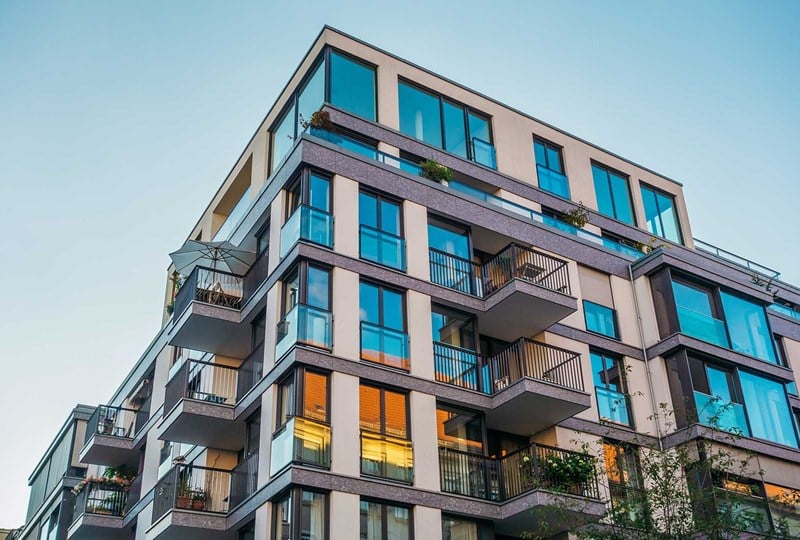
So what is a condo? You might be thinking of apartments which is quite close, but not exactly. Condos or condominiums are individual units in a building. Respective homeowners own each unit. You’re responsible for what’s happening inside your home (including repairs and maintenance), but you’ll pay monthly fees for shared areas.
Owning a condo comes with a few perks. You can enjoy shared amenities (such as a swimming pool, gym, parks, and entertainment facilities). You also belong to a community, and a condo association is responsible for the upkeep and maintenance of common areas. You might enjoy annual festivals and events suitable for your community. Condos are preferred by homeowners who want to minimize the hassles associated with homeownership.
You will pay for property repairs, but finding contractors is easy because many homeowners live in your building. Your condo association can provide links to reputable handy persons in the area, making your job easier. You can also rent a condo from the homeowner. The condo association is not involved in the decision. However, you must follow the set rules & regulations.
What is a Condo?
Condos are high-rise buildings used to house several families. The four walls don’t just define the ownership of a condominium. You’re sharing those walls with other homeowners. So the term “air space” describes your ownership and control area.
A condo is not just residential property. The same concept is applied to commercial properties, i.e., office condominiums. That’s especially true in dense tech areas where several startups work in the same building.
Housing Market Impact on Condos
Historically, condos are more affordable than single-family homes, but the prices are rising. Shortage of housing inventory drives condo prices along with other home types. Condos provide less housing space and more living areas. (In a single-family home, you won’t be living in the garage or lawn, but you will pay tax on that area too). That’s why condos are cheaper, considering the taxes.
The housing market favors condos because they offer a new lifestyle. For example, you can take an extended vacation without worrying about lawn or snow.
Why Buy a Condo?
Condos are great for prospective homeowners looking to buy their first place. A condo will give you a sense of ownership without the additional maintenance burden. Condos are also great for those who want investment property.
Most people prefer condos because they don’t want to pay a high price. Modular homes can be an alternative in this case, as they are more affordable than single-family homes. A modular home can get you a bigger place at a lower price. Check your options with a realtor before choosing a home type.
Pros of Buying a Condo
Investing in condominiums has several advantages:
- Low-maintenance hassle: Don’t like moving your lawn? Have to hire someone for snow removal? Don’t enjoy changing light fixtures in the house? Don’t want to pay a hefty bill for roof repair? Welcome to the condo lifestyle. You can avoid all these hassles. Own your home without expensive maintenance. Your condo management will do the heavy lifting. You can enjoy shared amenities without worrying about their management.
- Enhanced Security: Many condos have a central security system. A shared gate with a security person checking for the entrance of people. There are security cameras and strategies designed to protect the complex. The same type of security isn’t possible in a single-family home. That security is an excellent attraction for single people and frequent travelers. You can leave your house behind without worrying about theft.
- Socializing: Condos are great for those who want to socialize. Want to attend monthly parties? Meet people at the pool or arrange meetings in the business center. Barbeque sites and festivals are also common in condos.
- Affordability: An affordable option to start your journey as a homeowner.
- Amenities: Clubhouse, parking, business center, party hall…every condo building has different amenities for the residents.
Cons of Buying a Condo
- Strict HOA Rules: Living in a condo is as good as the HOA association. Strict rules are the #1 reason people don’t recommend living in a condo. For example, your association might restrict the number of people, pets, guests, items to store, smoking, trash pickup, etc.
- Investment value depends on other houses: Real estate is all about comparable properties. A few loud neighbors can disturb the lifestyle of many in a condo building. If individual condos are not well maintained (or if foreclosed), that lowers the price for all other condos.
- High-mortgage rates: Mortgage rates for condos are generally higher than single-family homes.
- Lack of privacy: You’re sharing walls and space with other residents. Hearing your neighbors can be routine.
- Lack of greenery: While shared amenities are great—condo living isn’t about a natural lifestyle. Green space is not generously available, making it tough on your body.
- Restrictions on Airbnb rentals: You can buy a condo for investment purposes, but you must review the rules & regulations. Most HOA associations won’t allow using the property as Airbnb rentals, and your tenants need to follow the rules of society.
Comparing condominiums with other housing types
Condo vs. Apartment
At first glance, condos and apartments look the same—similar construction style, with multiple units on the same floor with an HOA managing the property. The difference lies in the ownership but is also shared in some states. Generally speaking, condos are owned, and apartments are rented. However, in New York, you can buy an apartment, and it’s possible to rent a condo.
Condo vs. Townhome
Townhouses (or townhomes) are located close together and share walls. But that doesn’t make them a condo. The construction style is vastly different. Townhomes can have two floors (in a single unit), often bigger than condos. There is an HOA association, but limited amenities are available. Amenities are also not located in the same building. You might also have a private garage or yard, so owning a townhome is not entirely maintenance-free.
Condo vs. House
What’s the difference between a condo and a single-family home? Aside from noticeable construction differences, we have one more:
- You have complete control in a single-family home. You can renovate or construct your home according to your liking. The same is not valid for condos. For example, you cannot use a different design for the mailbox or change the exterior of your home. With control comes responsibility. If your home needs repairs, it’s your responsibility. But in a condo, those costs are shared by other homeowners.
Types of Condos
There are different types of condos in the market.
- Large complexes comprising 100s of units with high-rise elevators
- Small walk-up buildings
- Old and new constructions
The vibe and environment of condo complexes are different. Before buying, try renting for a few months to get a feel for the lifestyle.
Private Condo or Private Own Apartment
The respective landlord owns a private condo. So that will be a rented unit. So let’s say you buy a condo and then rent it out: that’s the definition for private condos or privately owned apartments.
Condo House
A condo house is like a traditional condo with all the features standard in a condo building.
Condo Share
Living in a condo becomes more interesting. You can buy condos. You can rent a condo. What’s more? You can also use the same property for vacation and share it with others. So a condo share or timeshare is a condominium used as a second/vacation home. Tenants can come and go according to the schedule. You have the option to rent the condo for a specific time. Bookings are made earlier. Condo shares are not investment properties; the owner must pay maintenance and taxes. Perks include additional income for the landlord and an inexpensive experience for tenants (compared to resorts and hotels).
Detached Condo
A detached condo is a freestanding unit with boundaries. As the name suggests, it’s not attached to other units. Some areas near cities have clustered units (located nearby) referred to as detached condos. An HOA manages the shared spaces. Detached condos are less expensive than single-family homes because you share the amenities. Outside the cities, forming a community for mutual benefits and access to amenities makes sense.
Condo Building
The condo building is a complex where several condos are housed. It’s a way to provide affordable yet modern housing opportunities to several families. Condo buildings also house amenities for their members.
The Bottom Line: What is a Condo?
- So what is a condo? Is it better than a single-family home? What is the impact if you want to sell your home? A condominium is a large-scale building you see in the city heart built for residential purposes. There are also office condos, but mostly the term is reserved for residential properties. In that building, there are several (sometimes 100s) individual homes, with each homeowner entitled to the title of their unit. Condo owners enjoy a sense of security and belonging to the community. They enjoy mutual facilities like a clubhouse, private parking, gym, salons, and other necessities of life. Because so many homeowners live in one place, condominiums are also attractive for commercial activities. Modern condominiums provide access to closeby facilities like hospitals, shopping malls, etc. Depending on the amenities, your area's condo prices will be high or low.
- So should I buy or rent a condo? That’s a question frequently asked by our readers. Well! Like purchasing any house, you need to prepare for closing costs, commissions, and the down payment. So buying is a good idea if you can afford the downpayment and closing costs and you’re planning to occupy the unit for 5-7 years. But living for 2-3 years won’t cover your initial investment in the house.
- Condos are great for your first investment venture. Because of security restrictions and regulations, tenants can’t do everything. They will have to abide by the law—making your investment secure. Condo values tend to go up in a healthy market. In dense areas, condos are always in demand, and finding tenants is easier. Talk to a real estate agent to get an estimate for current and future prices.
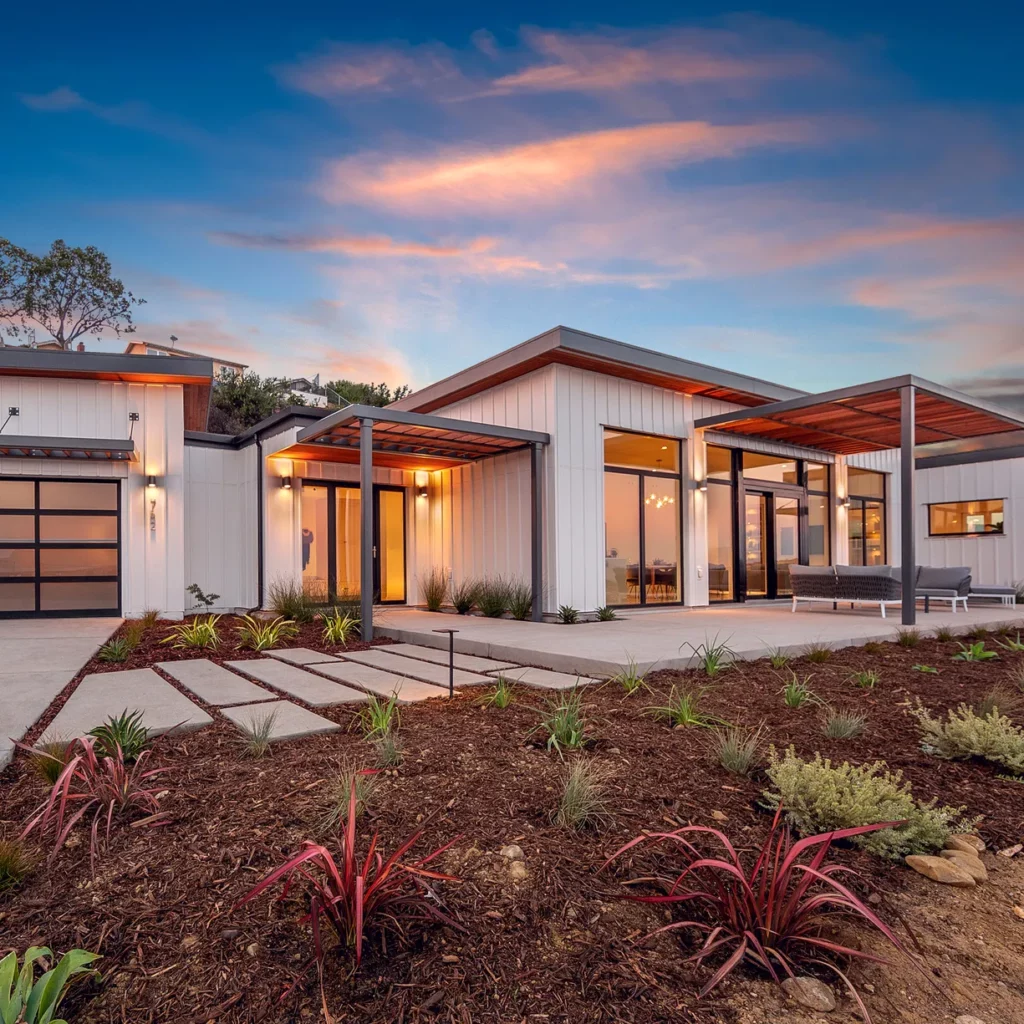
A modular home is a relatively new term in real estate, but it’s not unfamiliar. You might be wondering what is a modular home? First, we’ll explain that in detail. Then, we’ll discuss the pros and cons of investing in modular homes. What are the financial benefits? What is the advantage concerning security, speed, and peace of mind?
We’ll discuss all that in this article. Let’s start.
What is a Modular Home? An Insider Look
What comes to mind when you think about modular homes?
Prefab construction homes, manufactured homes, mobile homes, tiny homes…Yes, all of these terms are used to describe modular homes. But unfortunately, there is some confusion, and most people don’t know the meaning.
A modular home's structure is built inside a factory and installed on the allocated land. Different parts are constructed, assembled, and then given the final form by expert technicians. Unlike mobile homes, you can’t move a modular home. So while you move the structure once (from the factory to land), the house itself is stationary. It’s permanently attached to the lot, just like a traditional residence. So that’s one point about modular homes. They look mobile, but they are not. So if you want to relocate after installing the house, there is only one option…sell your home and buy another one.
So modular homes are suitable. Then why do most buyers not consider them? Modular homes have come a long way since they were first introduced. Unfortunately, early constructions were not up to the mark. You can think of substandard construction, poor material, and a lack of choices which explains why modular homes are not popular. However, things have changed in the last 2-3 decades.
Today modular homes are constructed according to the set standard by IRC. IRC is the International Residence Code, similar to the HUD in the US. So these homes are built in a controlled environment and must comply with the IRC.
Pros & Cons of Modular Homes
After installation, modular homes are like any other property. Your contractors will install appliances, cabinets, furniture, and everything else that belongs in a home. You have a choice, and you can choose the color, design, and layout as per your preference. Modular homes are no longer old-style constructions as you will choose a design suitable for your family and neighborhood. Here are some pros of choosing a modular home:
Stable Property Structure
Modular homes are manufactured in climate-controlled environments. That means rain, flood, weather, or outside circumstances don’t affect the construction quality. Modular homes are often considered better than stick-built properties because of the controlled environment. The structure is made to last and handles harsh weather conditions.
Furthermore, a modular home is installed step-by-step and assembled into the final location. Only a stable structure can endure the movement and installation of parts. On top of that, modular homes offer consistently high quality. You can expect the same level of finishing and quality in every aspect of the house.
Speedy Construction
Modular houses are built on a massive scale. Different parts are manufactured in factories, which results in quick construction. You don’t have to wait for months or years. Instead, you can order your home and have it assembled in a few weeks.
Better Pricing
Modular home construction tends to be less pricey compared to brick homes. One reason is that companies purchase material in bulk. As a result, you won’t be buying materials individually, reducing the material cost. Labor also tends to be less expensive as builders can provide consistent working opportunities to their employees, resulting in a discounted price for the end user.
Energy Efficient
Quality construction results in an energy-efficient product. Most modular homes conserve energy better than traditional homes.
Cons of Purchasing a Modular Home
Land Investment
You need to find a lot for your modular home. You can’t lease the land. You have to buy it, which can be expensive.
Local Regulations Impact the Construction
You have creative freedom, but your home layout must follow the local code. That’s not a disadvantage, but something you need to be aware of.
The Resale Price Can Be Low
Modular homes are gaining popularity, but selling one might be challenging. People are skeptical about the purchase and might negotiate about the quality of the house. In addition, some old modular homes might look cheap because of the inexpensive material used for cosmetic makeovers and appliances. However, old homes require a makeover, just like any property. Rest assured that the home's foundation is built according to IRC, and the house will just need renovation.
What do modular homes look like?
At first, glance, differentiating between a modular home and regular construction is not possible. They both look the same. (An experienced investor can find the difference, but I am talking about the average person here).
Modular homes don’t look like double-wide trailers. Instead, you’ll notice beautiful windows, landscaping, appliances, and everything else you find in a typical home. Many buyers are curious about the appearance of modular homes. First of all, you have control over the appearance. You can choose a design and then get everything assembled according to your choice. In addition, modular homes can be renovated but can’t be changed entirely after the installation.
How much does modular home cost?
The average modular home cost will be $100-$200 per square foot, including installation. So for a 1500 square foot home, your cost will be $150k-$300k. When calculating the price, you need to consider the utilities and land. Prefab concrete foundations are inexpensive alternatives to traditional foundations, costing $18k-$30k. Crawl space foundation costs less but requires more maintenance over the years.
The cost of hooking up the utilities will be $3k-$20k. So that’s the dollar cost. How much time does it cost to build a modular home? Modular homes don’t take too much time, but you can expect to wait 4-9 months for the ready product. The delay time also depends on a few factors, including:
- Local building permits
- Financing
- Customization of modular homes can delay the process, especially if there is a shortage of required material.
Who is a modular home right for?
There will come a time soon when most homes will be “modular.” The construction industry is changing, and building houses off-site is a great way to save time & money. So modular homes are great for anyone looking to save time and some money.
Modular homes are also great if you want to build a tiny house in your backyard. Order the design and structure and have it assembled in your backyard. Your personal life will receive minimum disturbance from your construction plans.
Modular homes are the only option if you’re planning to construct a unit in remote areas, and hiring local builders is not safe or possible.
The Bottom Line: What is a Modular Home?
- Times have changed. Once ignored, a modular home is now recommended home type. Most people have an idea of what is a modular home. But, yes, many of us are not familiar with the technicalities of modular homes. Hopefully, this article gaves you an idea of the different aspects of modular homes constructed today.
- These types of homes are a good investment. But, just like any investment, you must do your due diligence. Talk to lenders, verify the reputation of your builder, and obtain necessary inspections and permits. Then, you should be good to go!
What is a Modular Home: FAQ
Now you know what is a modular home. But is investing in modular homes a good idea? You have more questions? Let’s go through the list of frequently asked questions.
]]>